
Coding Memes

Posts tagged with Coding

True

True
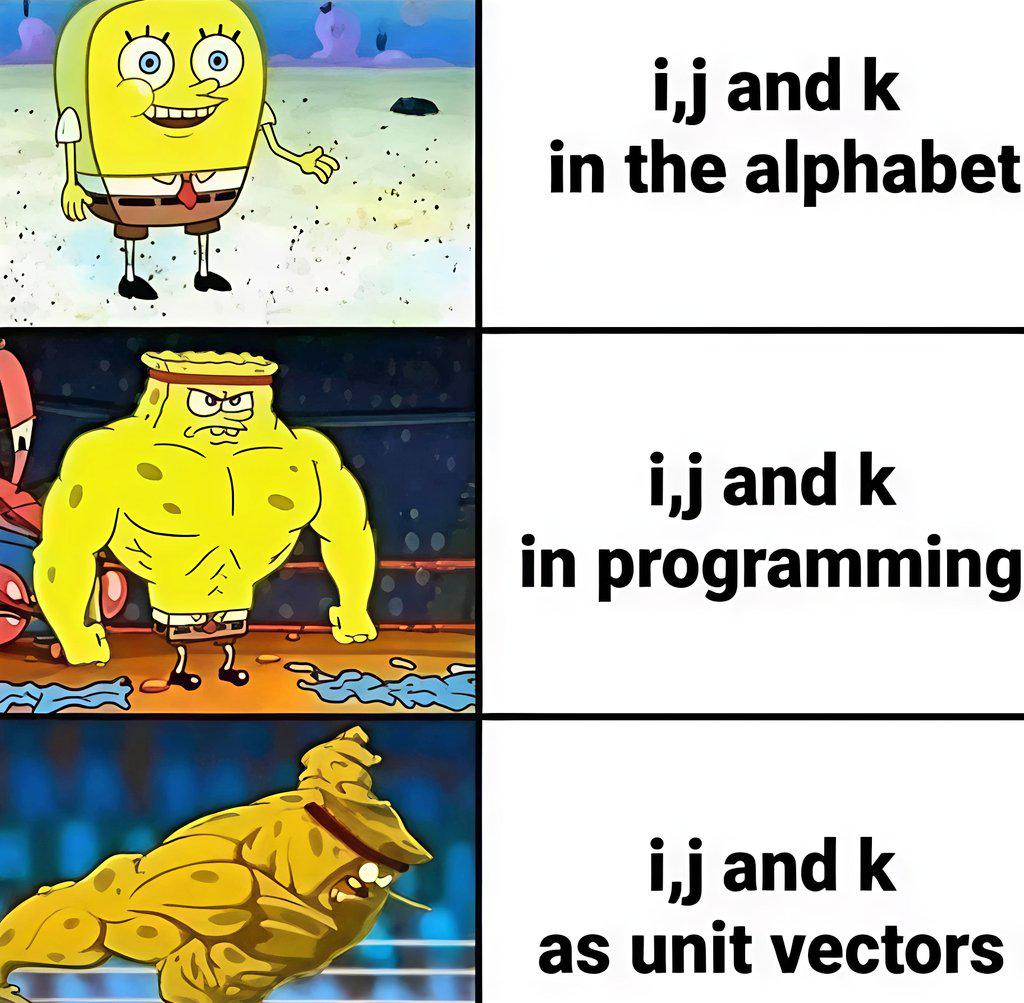
So we've got i, j, and k just chilling in the alphabet, looking all innocent and normal. Then they show up in programming as loop variables and suddenly they're RIPPED—carrying the weight of nested loops and array indexing like it's nothing. But wait till you see them as unit vectors in physics and math... they've transcended into their FINAL FORM, basically god-tier mathematical entities representing directions in 3D space. For those who haven't met these legends yet: i , j , and k are the standard unit vectors pointing along the x, y, and z axes respectively. They're the backbone of vector calculations, cross products, and basically any time you need to describe something moving through space. Meanwhile, programmers are just using them to count from 0 to n-1 in for-loops. The power gap is REAL.

This Right Here Is The Ultimate Test Of Human Sanity

This Right Here Is The Ultimate Test Of Human Sanity
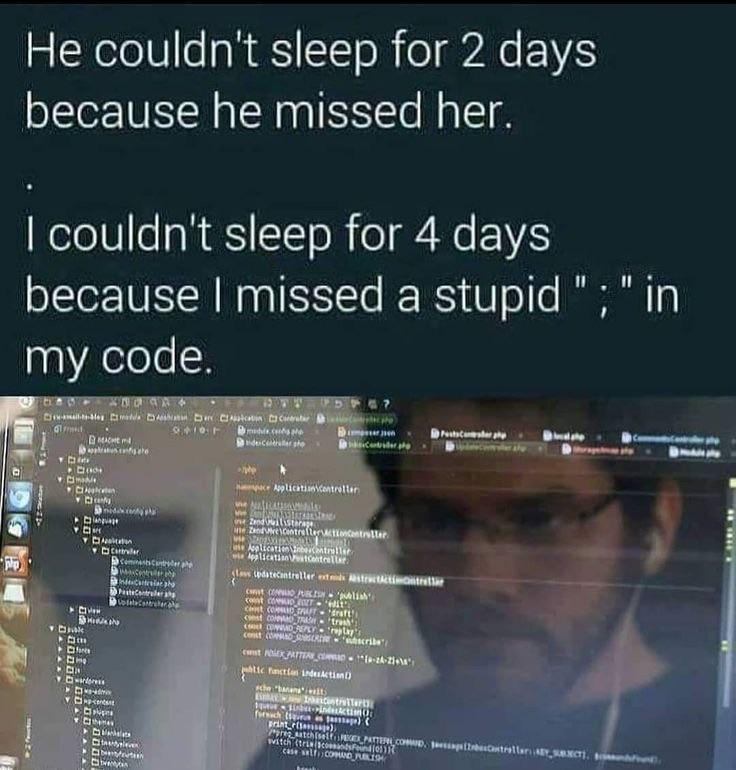
The hierarchy of suffering has been established. Missing someone you love? Two days of insomnia. Missing a semicolon in 3,000 lines of code? Welcome to your four-day descent into madness. That tiny punctuation mark—a semicolon, comma, or the dreaded mismatched quotation—can turn a perfectly functional program into an absolute nightmare. Your IDE isn't helping because the error message points to line 847 when the actual culprit is chilling on line 23. You've checked every bracket, every parenthesis, scrutinized every character like you're decoding ancient hieroglyphics, and still... nothing. The psychological toll is real. You start questioning your career choices, your life decisions, maybe even reality itself. Did you actually graduate? Are semicolons even real? By day three, you're convinced the computer has developed sentience and is personally mocking you. Then you find it. That microscopic syntax error. And suddenly all the anger transforms into pure, unfiltered relief mixed with the urge to throw your keyboard out the window. Programming: where punctuation matters more than in any English class you ever took.

Basic Modulus Use In Real Life

Basic Modulus Use In Real Life
This is hilariously accurate for anyone who's ever tried to apply math to their emotional problems! The modulus operator (%) gives you the remainder after division, but more importantly, it converts negative numbers into their positive counterparts when you're working with absolute values. So naturally, someone thought "Hey, let me use this mathematical operation to turn my sadness into something positive!" Spoiler alert: it doesn't work that way. The joke here is that programmers and math nerds are so used to solving problems with elegant mathematical solutions that they forget emotions don't follow the same logic. You can't just apply abs() or modulus to your feelings and expect them to magically become positive. If only mental health worked like integer arithmetic, therapists would just be teaching us operator overloading! Fun fact: The modulus operation is actually super useful in real life for things like determining if a number is even or odd, creating circular arrays, or figuring out what day of the week it'll be 100 days from now. Just... not for fixing your emotional state. Sorry, mathematicians!

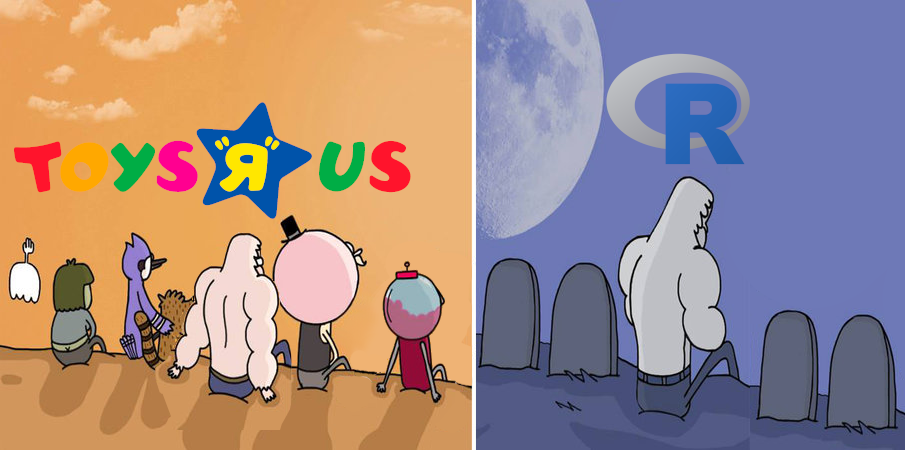
From Toys To Statistical Noise

From Toys To Statistical Noise
The eternal struggle of data scientists captured in one perfect split image! On the left, our childhood selves skipping happily into Toys "R" Us, blissfully unaware of what awaits. On the right, our grown-up reality—standing at the grave of joy while the R programming language looms ominously in the night sky. From playing with actual toys to playing with statistical packages and p-values... the circle of life for nerds. The moon watches silently, probably thinking "p < 0.05 won't bring back your happiness, buddy."

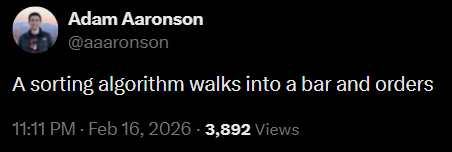
Sorting Algorithm Walks Into A Bar

Sorting Algorithm Walks Into A Bar
The setup for a joke that never delivers the punchline is peak computer science humor. Sorting algorithms don't just "order" drinks—they rearrange elements into a specific sequence. The brilliance here is the double meaning: the algorithm literally "orders" (requests) at a bar while its entire purpose is to "order" (arrange) things. It's like watching a plumber complain about pipe dreams or a mathematician refusing to be irrational. The joke just sort of... stops... which is exactly what would happen if you tried to run an incomplete algorithm. Recursion without a base case, anyone?

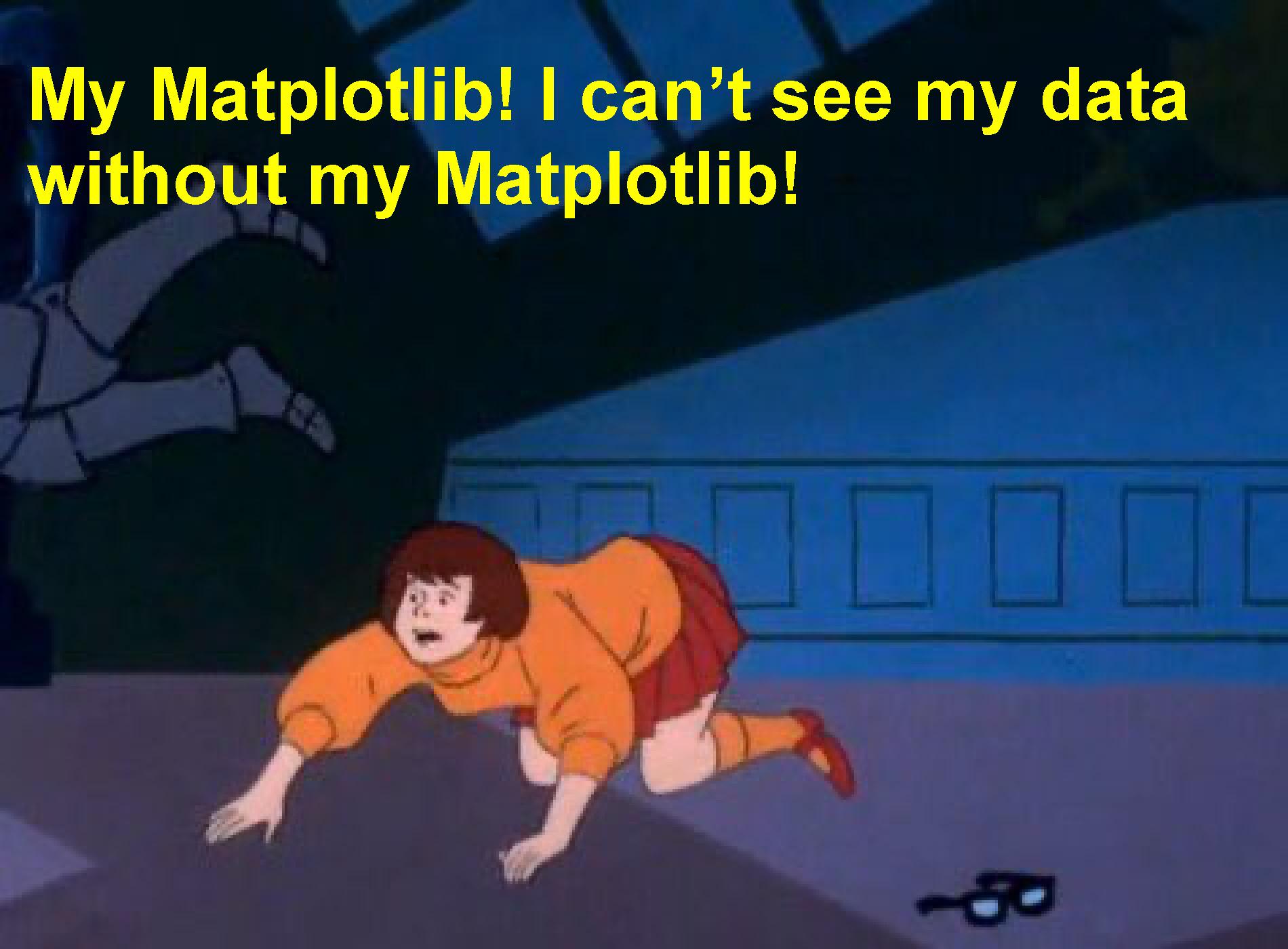
The Data Scientist's Desperate Crawl

The Data Scientist's Desperate Crawl
Ever had that moment when your Python code crashes and suddenly your beautiful data visualizations vanish into the void? That's every data scientist dropping to their knees when Matplotlib decides to throw a tantrum! Without those sweet, sweet plots, your data is just a boring spreadsheet of numbers. The dependency is REAL. Scientists will literally crawl through digital darkness searching for their precious visualization library because raw data without pretty graphs might as well be hieroglyphics!

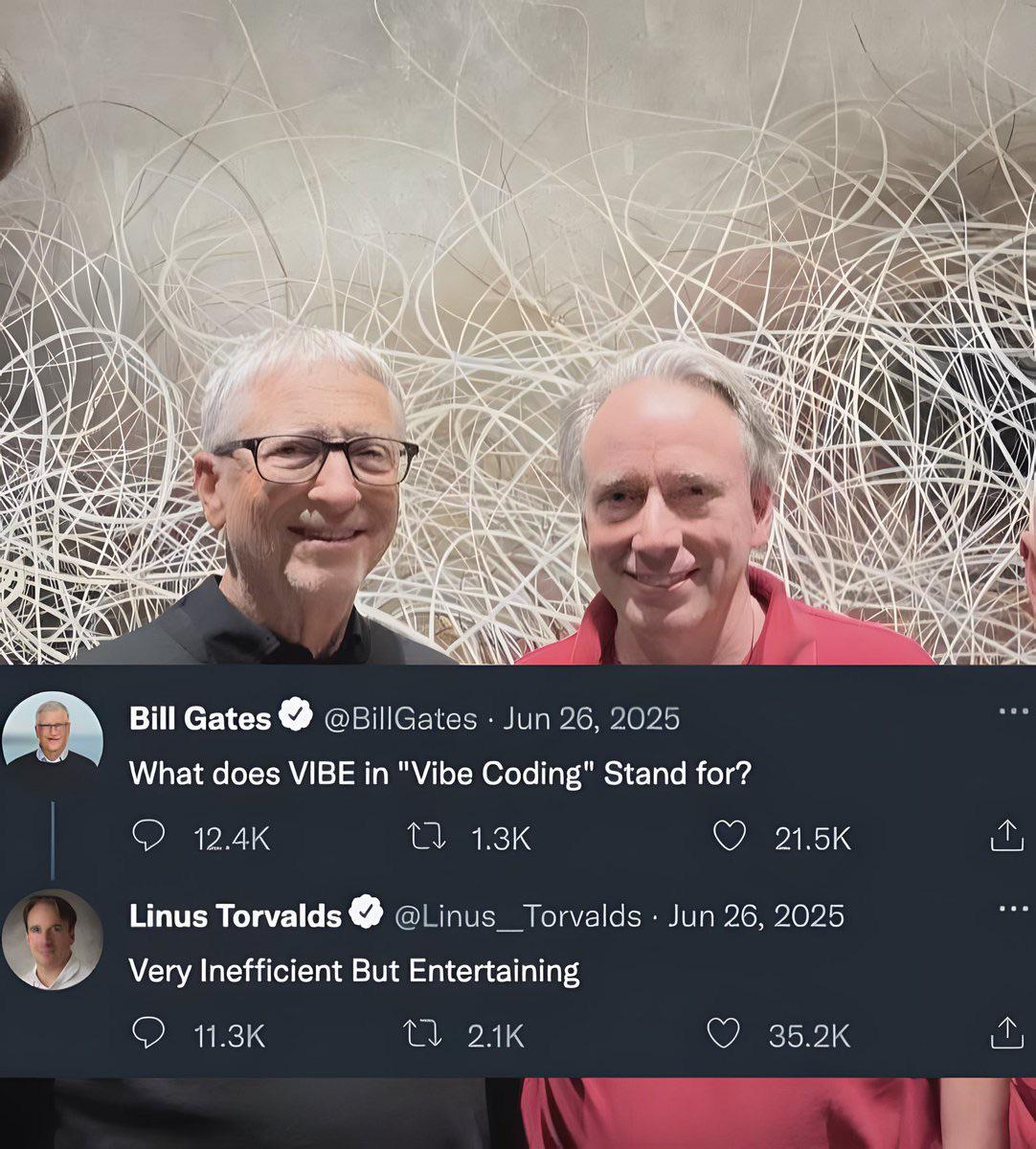
Tech Titans' Coding Banter

Tech Titans' Coding Banter
Behold! A glimpse into the future where tech titans exchange coding banter! The meme shows a fictional Twitter exchange dated 2025 between Microsoft founder Bill Gates asking "What does VIBE in 'Vibe Coding' stand for?" and Linux creator Linus Torvalds wittily responding "Very Inefficient But Entertaining." It's programmer humor at its finest—poking fun at trendy coding paradigms that sacrifice efficiency for developer enjoyment. The perfect representation of the eternal struggle between pragmatic functionality and "but it's fun to write!" Just imagine Torvalds cackling maniacally while typing that response on a keyboard powered by pure sarcasm.

This Perfect Lambda That I Wrote

This Perfect Lambda That I Wrote
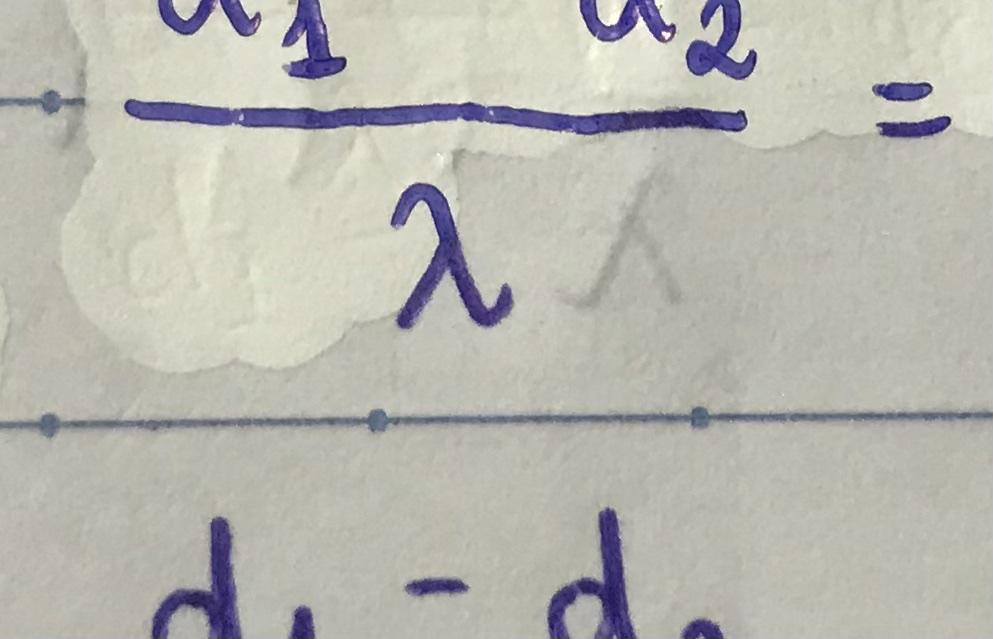
The lambda symbol (λ) in the equation is giving me flashbacks to my college days! For programmers, a "perfect lambda" is an elegant anonymous function. For physicists, it's a beautiful decay constant or wavelength. But let's be honest—that handwritten lambda looks like it's having an identity crisis between being a proper Greek letter and a squiggly doodle your pen makes when it's running out of ink! The mathematical perfection we aspire to vs. the chaotic reality we create... story of every scientist's life!

Perfect Piece Of Advice, Thanks!

Perfect Piece Of Advice, Thanks!
The ultimate linguistic paradox for coders! Taking language learning advice literally, beginner Python programmers find themselves in an Indiana Jones situation - surrounded by actual pythons instead of semicolons and brackets. The programming language named after Monty Python (not the reptile) creates this perfect double entendre. Next tutorial: learning Java by visiting Indonesia and drinking excessive amounts of coffee!

When Code Meets Cosmos: The String Theory Debugger

When Code Meets Cosmos: The String Theory Debugger
This brilliant meme perfectly marries programming humor with theoretical physics! String theory, one of physics' most complex frameworks, proposes our universe has 10 spatial dimensions plus time. Meanwhile, our programmer hero tries to understand this with Python code that hilariously keeps printing "one dimension" over and over. The nested functions at the bottom spelling out "the most fundamental thing in the universe is the string" is pure coding poetry! It's like trying to solve the mysteries of the cosmos with a for-loop—spoiler alert: the universe doesn't run on Python... yet!

Can Priests Read Binary?

Can Priests Read Binary?
The devilish punchline here is pure computational genius! The numbers "110 110 110" at the bottom are binary code that translates to "666" in decimal - the infamous "number of the beast" in religious texts. So while the book title seems threatening, it's actually just a nerdy joke hiding in plain sight using computer language! Only someone fluent in binary would catch this sneaky reference, making it the perfect nerdy gift from Satan himself. The binary-religious crossover is wickedly clever!

The Magnetic Pull Of Python

The Magnetic Pull Of Python
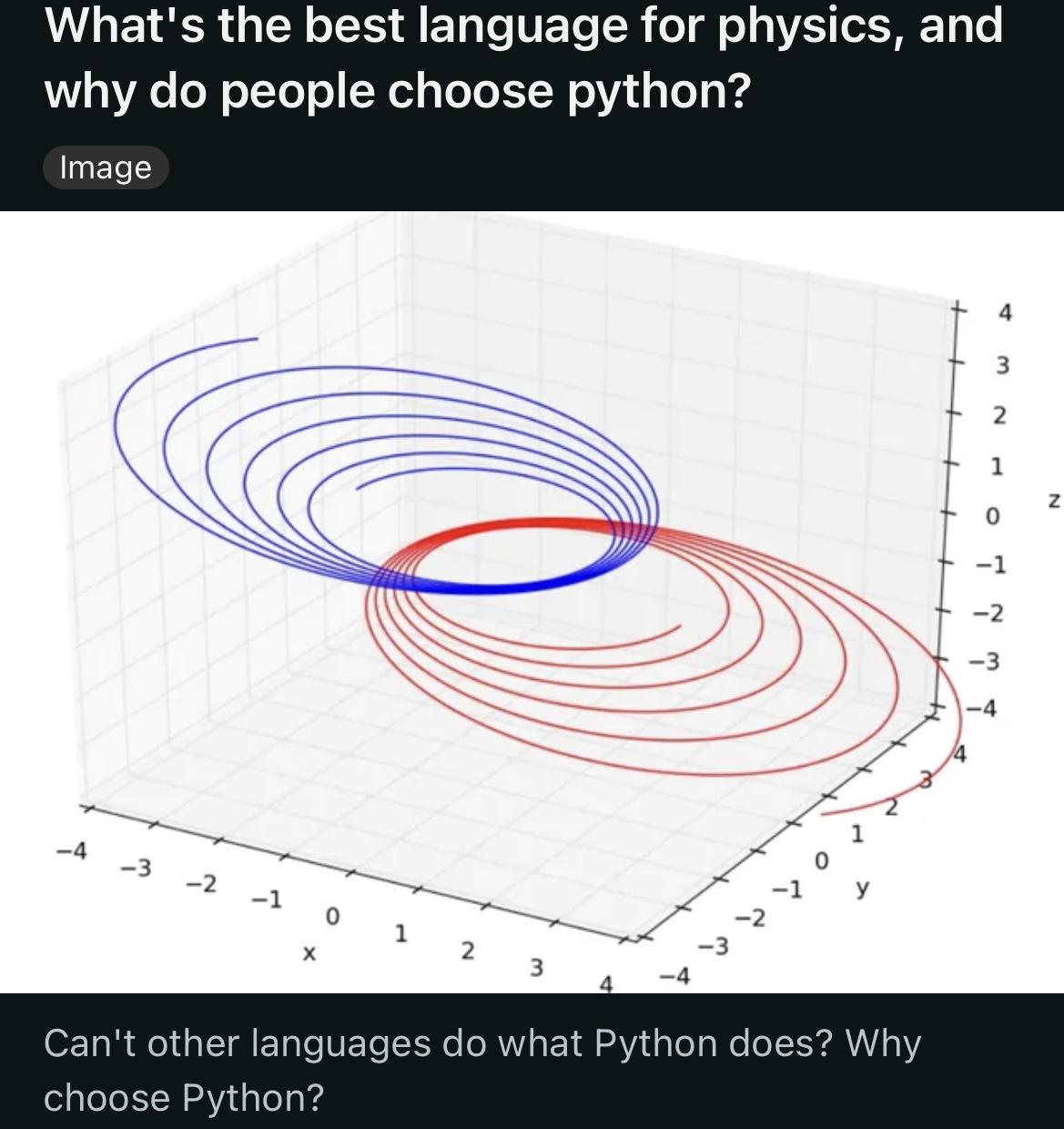
Look at that beautiful magnetic field visualization created with Python! Other programming languages are sitting in the corner crying because they know deep down they're just not as cool for physics. Sure, FORTRAN might be faster and C++ more efficient, but can they plot magnetic dipoles with three lines of code while you're busy drinking coffee? Nope. Python swooped in and stole physicists' hearts because it's like the lazy genius of programming—minimal effort, maximum flex. The real joke is how we pretend we chose Python after careful consideration when really we just copied whatever code our advisor sent us five years ago.