
Earth-science Memes

Earth Science: where "recent" means the last ice age and human history is just a rounding error. These memes celebrate our home planet in all its layer-cake glory, from the mysteriously squishy core to the surprisingly thin atmosphere we should probably stop polluting. If you've ever gotten excited about different types of clouds, contemplated how mountains form while stuck in traffic, or felt the special satisfaction of finding the exact right term for that specific rock formation, you'll find your fellow terrestrial enthusiasts here. From the mind-bending time scales of geological processes to the sudden chaos of earthquakes and volcanic eruptions, ScienceHumor.io's earth science collection honors the dynamic planet that created and sustains us while occasionally trying to destroy us with extreme weather and tectonic activity.
Which One Sounds More Threatening?

Which One Sounds More Threatening?
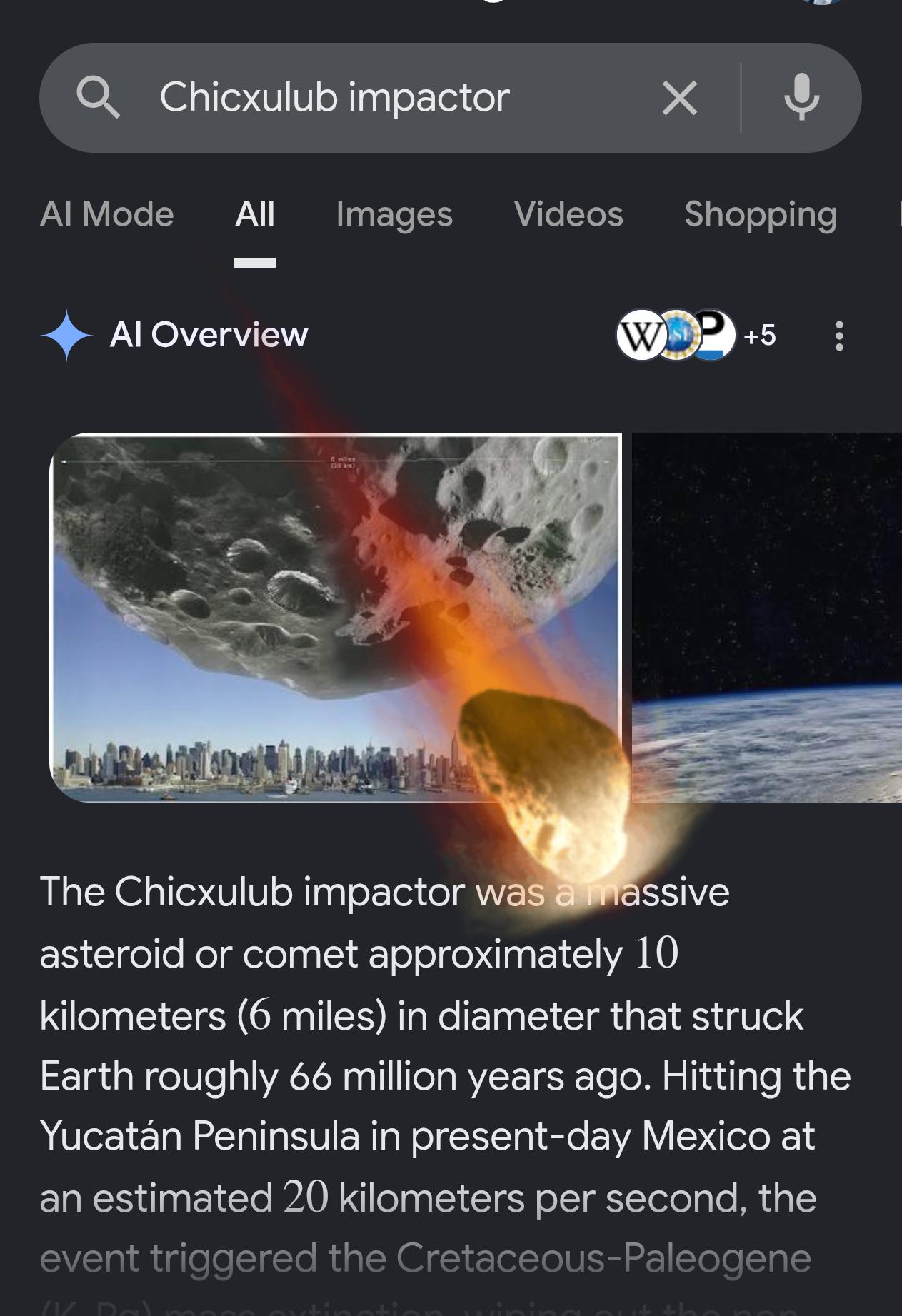
The scientific jargon paradox strikes again! While "asteroid near Earth" sends Mr. Krabs into panic mode, the far more scientifically complex "unusual geomagnetic storm of sunspots" barely registers on Squidward's concern meter. Truth bomb: geomagnetic storms can actually cause massive electrical grid failures, satellite disruptions, and communication blackouts that would make our tech-dependent society absolutely crumble. Meanwhile, most near-Earth asteroids are just cosmic pebbles that burn up in our atmosphere. It's the perfect illustration of how scientific terminology can either trigger mass hysteria or fly completely under the radar depending on how accessible the language is to non-specialists. The more syllables, the less we panic!

Which One Sounds More Threatening?

Which One Sounds More Threatening?
Nothing strikes fear into the hearts of humanity quite like fancy science words! The media knows exactly what they're doing here. "An asteroid came near Earth" sounds like a casual cosmic drive-by, but throw in "unusual geomagnetic storm of sunspots" and suddenly everyone's building bunkers. The irony? That "terrifying" solar activity happens constantly and rarely affects us beyond pretty auroras and occasional GPS hiccups. Meanwhile, an asteroid near-miss could actually be the opening scene of humanity's series finale. It's like being more scared of the word "rhinovirus" than someone saying "there's a tiger in your kitchen."

The Invasive Species Horror Show

The Invasive Species Horror Show
Nothing ruins nature's carefully balanced masterpiece quite like humans saying "hey, what if we brought rabbits to Australia?" or "wouldn't cane toads solve our beetle problem?" Spoiler alert: they don't. Instead, they multiply like crazy and destroy everything in their path while ecologists watch in horror. Island ecosystems are particularly vulnerable since they evolved in splendid isolation with specialized niches and no natural predators for newcomers. It's like watching a horror movie where you're screaming "DON'T GO IN THERE" but the ecosystem can't hear you. Centuries of ecological disasters and we still haven't learned our lesson. Classic humans.

Evolutionary Swimming Lessons: The Great Return To Sea

Evolutionary Swimming Lessons: The Great Return To Sea
Imagine evolution as the world's longest game of "just kidding!" First, some reptiles 250 million years ago were like "Land is overrated" and swam back to sea, becoming ichthyosaurs. Then 200 million years later, mammals pulled the same stunt with a dramatic "my people need me" exit, transforming into dolphins. Now we've got a professor warning the next generation not to make the same mistake—because clearly, these evolutionary U-turns are getting embarrassing. Nature's greatest flex isn't creating new species; it's convincing animals they made a terrible real estate decision millions of years ago.

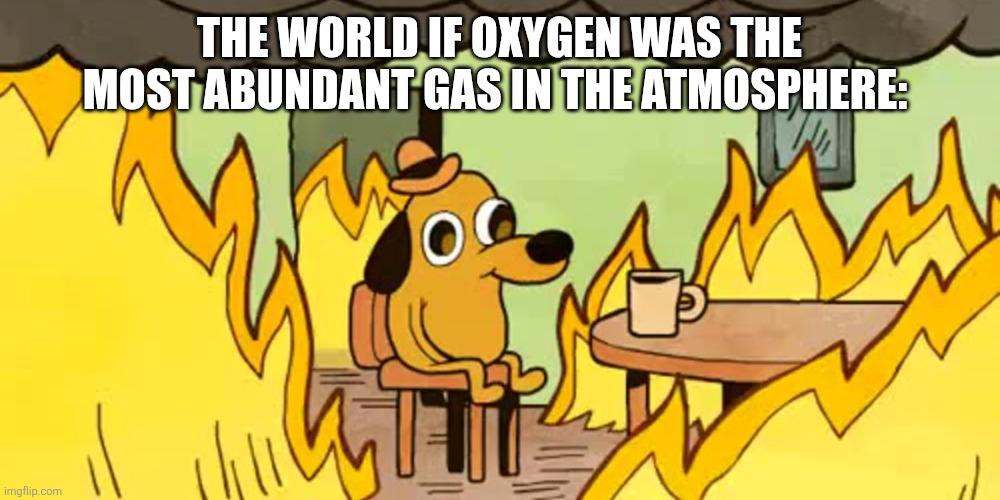
Goodbye Oxygen

Goodbye Oxygen
That face when eutrophication kicks in! The meme perfectly captures the horror of aquatic life during algal blooms. When excess phosphorus and nitrogen (usually from fertilizer runoff) hit water bodies, algae throws an absolute rager—multiplying like crazy and turning everything that sickly green color. As these party-hard algae eventually die, bacteria decompose them, consuming all available oxygen in the process. The result? A hypoxic "dead zone" where fish and other organisms basically make this exact panicked face right before suffocating. It's like nature's version of "the morning after a wild party, but everyone's too dead to regret it."

The Unsung Heroes Of Photosynthesis

The Unsung Heroes Of Photosynthesis
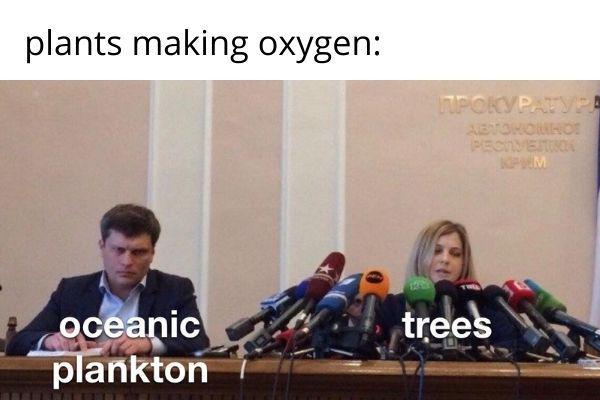
The unsung heroes of photosynthesis are having an existential crisis! While trees get all the environmental glory with their majestic trunks and pretty leaves, algae is out here producing 50-80% of Earth's oxygen and getting absolutely zero thank-you cards. It's like being the IT department of the ecosystem - nobody notices you until something goes wrong. Next time you take a deep breath, remember that tiny green blob in the water is probably responsible for it. Justice for algae! #TeamPhytoplankton

The Microscopic Atlas Of The Sea

The Microscopic Atlas Of The Sea
This meme brilliantly captures how the entire marine ecosystem rests on the microscopic shoulders of phytoplankton. These tiny photosynthetic organisms produce over 50% of Earth's oxygen while serving as the foundation of the oceanic food web. It's like watching a microorganism Atlas holding up the entire ocean instead of the sky. Next time you take a breath, remember to thank these invisible heroes who've been carrying the team since before fish thought swimming was cool.

The Dinosaur Identity Crisis

The Dinosaur Identity Crisis
This meme perfectly captures the eternal struggle of paleontologists trying to explain taxonomy to the public! The top two images show actual prehistoric reptiles (a Spinosaurus and a Pteranodon) labeled "Not a dinosaur" because—despite popular belief—these weren't technically dinosaurs! Spinosaurus was a dinosaur, but pterosaurs were flying reptiles in a separate evolutionary branch. Then we've got a crocodile labeled "Also not a dinosaur but nice try"—which is correct! Crocodilians are archosaurs that split from the dinosaur lineage about 250 million years ago. They're more like dinosaurs' stubborn cousins who refused to go extinct. But the punchline? Those last two images of birds (a bearded reedling and a Philippine eagle) labeled as "Dinosaur" are 100% scientifically accurate! Birds are literally living theropod dinosaurs that survived the mass extinction event. So next time someone tells you dinosaurs are extinct, just point to the nearest pigeon and drop this knowledge bomb. That sparrow at your feeder? Basically a tiny T-rex with a seed addiction!

Planetary Popularity Contest

Planetary Popularity Contest
The solar system's popularity contest is in full swing! Earth is clearly the attention-seeking influencer of planets—everyone's suddenly an expert on how it shaped our cosmic neighborhood. Meanwhile, Neptune and Venus are just floating there like "Hello? Anyone remember we exist too?" It's the planetary equivalent of being the forgotten middle child. Mars gets all the rover love and exploration funding because it's "potentially habitable," while Jupiter's massive gravitational influence on our solar system's architecture gets a casual footnote in textbooks. Next time you're at a party, try bringing up Venus's runaway greenhouse effect instead of Earth's climate change. Watch how quickly people find an excuse to refill their drinks. Poor planets—billions of years old and still struggling with relevance.

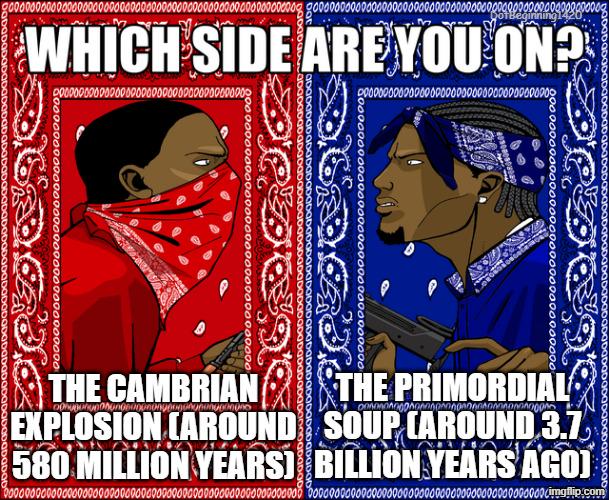
Nature's Weirdest Experimental Phase

Nature's Weirdest Experimental Phase
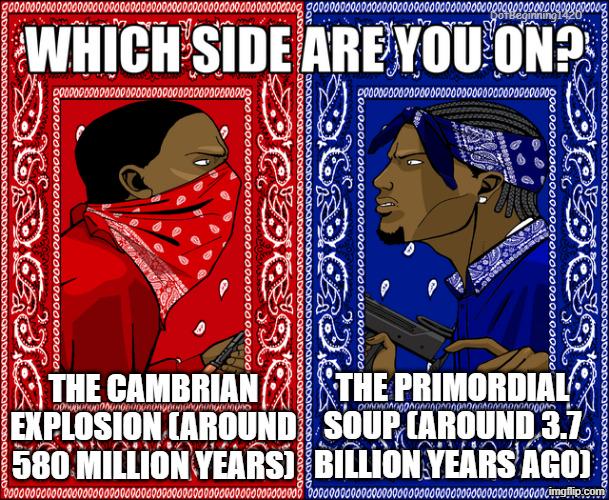
540 million years ago, evolution said "let's get weird" and the Cambrian Explosion happened. Suddenly, the oceans were filled with creatures that look like they were designed by a committee of drunk aliens. These bizarre life forms were basically nature's first draft—all spikes, weird eyes, and questionable anatomical choices. The perfect response is "leave them alone"—they were literally figuring out how to exist! It's like criticizing a toddler's first drawing when they've just discovered crayons. These magnificent weirdos were pioneering complex body plans while the rest of Earth's life was still mostly bacteria and algae. Next time you feel insecure about your life choices, remember: at least you're not a Hallucigenia with spikes on one side and tube-feet on the other, desperately trying to figure out which way is up. Evolution's experimental phase was wild.

The World's Most Efficient Earthquake Prediction Guide

The World's Most Efficient Earthquake Prediction Guide
The world's shortest flowchart cuts straight to the scientific truth! Despite thousands of self-proclaimed earthquake prophets throughout history, not a single one has successfully predicted exact earthquake dates. Why? Because earthquake prediction remains one of seismology's greatest unsolved challenges—despite what your conspiracy-loving uncle might claim on Facebook. The brutal honesty here is chef's kiss perfect. If someone actually cracked the earthquake prediction code, seismologists worldwide would be throwing parades, not keeping it hush-hush. The scientific community doesn't exactly excel at containing excitement about breakthrough discoveries!

Ancient Genius Meets Modern Ignorance

Ancient Genius Meets Modern Ignorance
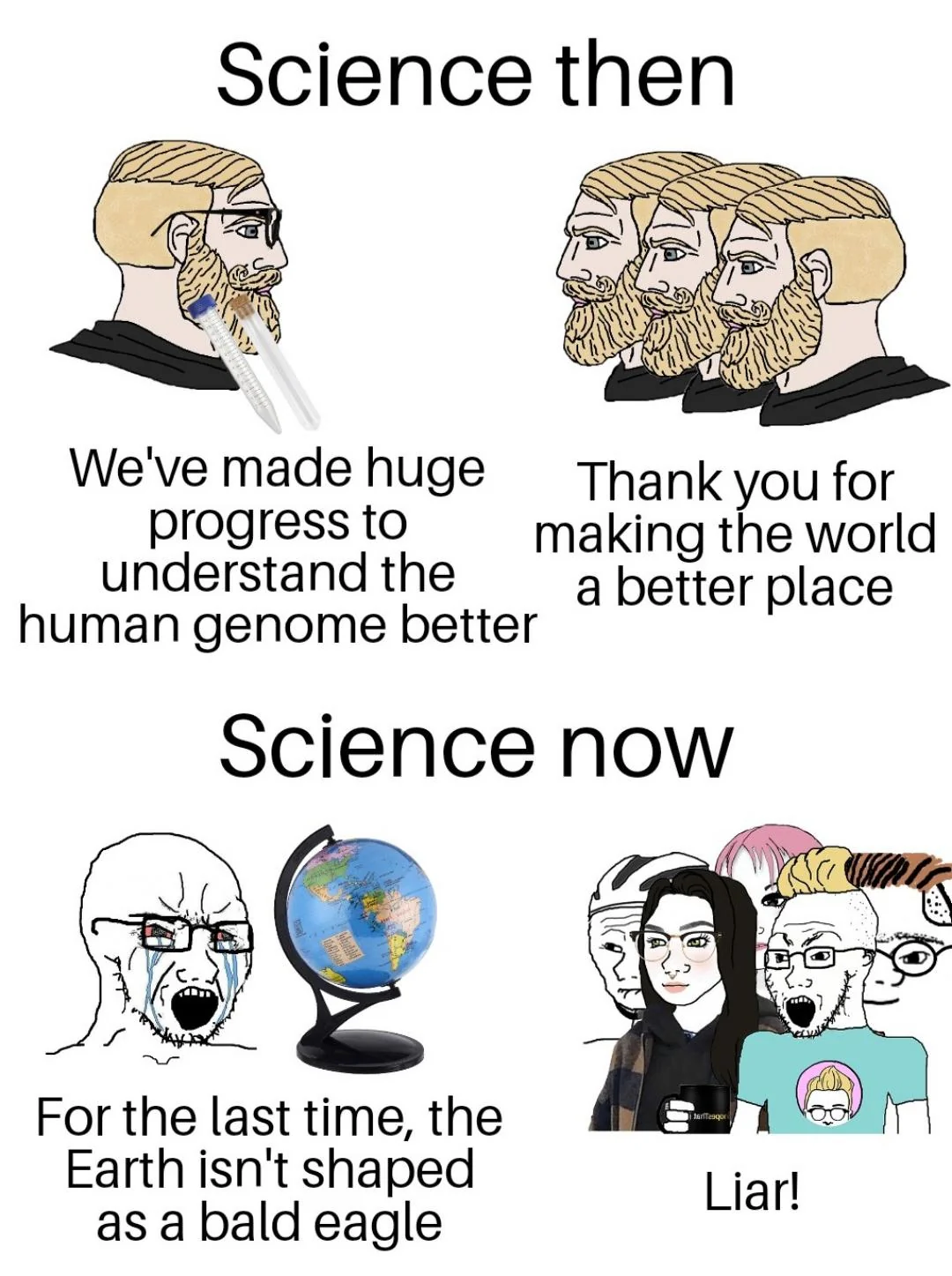
Imagine figuring out the Earth is round with just sticks and shadows, and then 2200 years later, people with satellites and GPS are like "nah, it's flat." Poor Eratosthenes is rolling in his ancient Greek grave so fast he could power Alexandria for a century. The man calculated Earth's circumference to within 10% accuracy using basically the ancient equivalent of a sundial and some math, while modern flat-earthers ignore literal pictures of our planet from space. If scientific regression were an Olympic sport, we'd have gold medalists everywhere.