
Cell biology Memes

Posts tagged with Cell biology
Entosis Be Like

Entosis Be Like
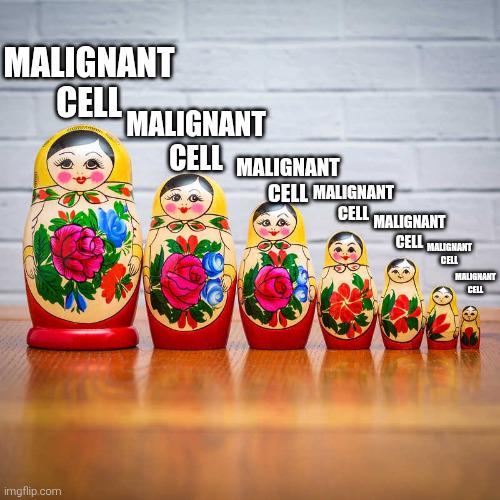
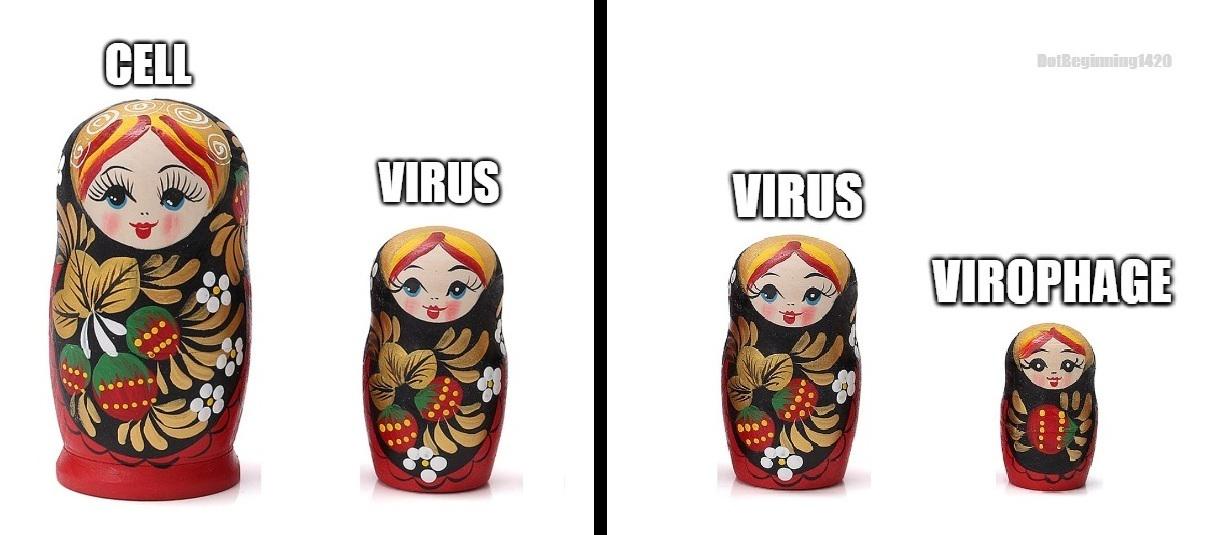
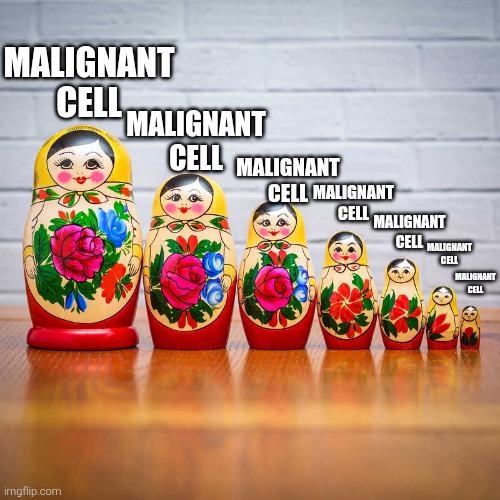
Entosis is basically when a cell eats another cell whole—like swallowing a grape without chewing. It's different from phagocytosis (which breaks stuff down) because the engulfed cell just... stays there. Alive. Awkward dinner guest vibes. Russian nesting dolls are the PERFECT metaphor here because you've got cells within cells within cells, all just chilling like some bizarre cellular inception. Cancer cells love doing this—they'll just nom on neighboring cells and keep them as little prisoners. It's honestly both horrifying and weirdly efficient. Fun fact: Scientists think entosis might be how tumor cells cannibalize each other when nutrients run low. It's like cellular Hunger Games but with more matryoshka energy.

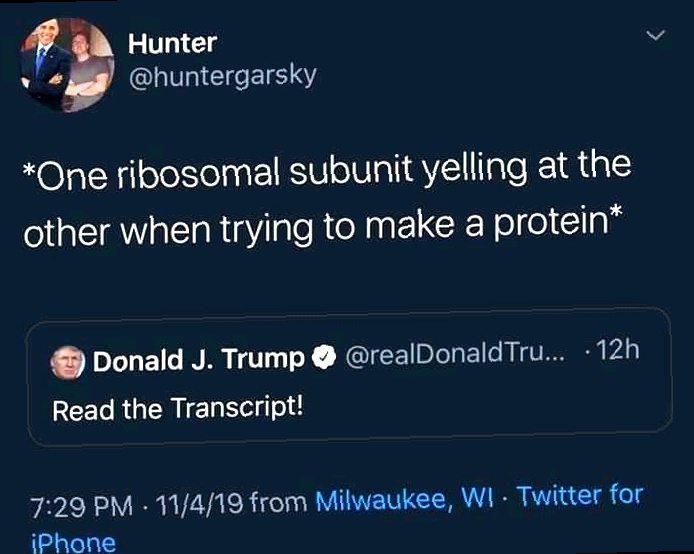
*Screams In Amino Acids*

*Screams In Amino Acids*
This is pure molecular biology gold. Ribosomes are made of two subunits (large and small) that have to work together to translate mRNA into proteins, stringing together amino acids like a very angry assembly line. But imagine being stuck with your coworker in the world's tiniest workspace, both of you desperately trying to read the same instruction manual (the mRNA transcript) while churning out proteins at breakneck speed. The Trump tweet "Read the Transcript!" becomes hilariously perfect here because that's literally what ribosomes do—they READ THE TRANSCRIPT (mRNA). Except instead of political drama, it's just two ribosomal subunits screaming at each other in amino acids while trying to decode genetic instructions. The cellular equivalent of "I'M TRYING, KAREN!"

Truly Groundbreaking Stuff

Truly Groundbreaking Stuff
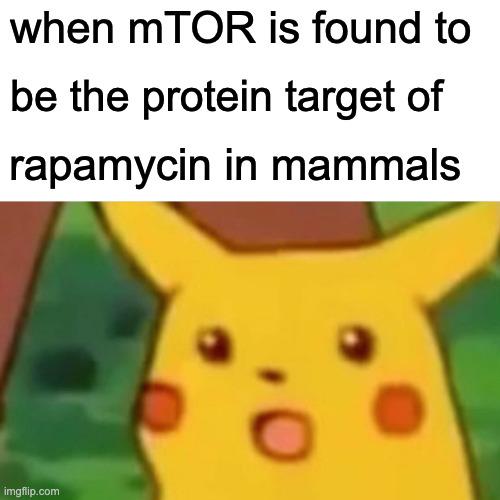
So rapamycin was literally named after where it was discovered (Easter Island, or Rapa Nui), and scientists spent decades figuring out what it actually does in cells. Then they discovered it binds to this protein called mTOR—which stands for "mechanistic Target Of Rapamycin." Yes, you read that right. They named the protein after the drug that targets it. It's like discovering a key and then naming the lock "Thing That This Key Opens." The circular logic is *chef's kiss*. The shocked Pikachu face captures the scientific community's collective reaction when they realized they'd essentially created a self-referential naming loop. mTOR regulates cell growth, metabolism, and aging, making it a huge deal in biology and medicine. But the naming? That's just peak scientific creativity—or laziness, depending on how generous you're feeling.

Entosis Be Like

Entosis Be Like
Russian nesting dolls perfectly capturing the horror show that is entosis—when one cell gets swallowed by another, which then gets swallowed by another, creating this increasingly cursed cellular matryoshka situation. It's like cellular cannibalism with extra steps, except instead of digestion, you just end up with cells inside cells inside cells like some kind of biological inception nightmare. Entosis is basically your cells' way of saying "I don't feel like doing apoptosis properly today, so I'll just... absorb my dying neighbor whole." It's a non-phagocytic process where one cell engulfs another without actually being a professional phagocyte. Seen a lot in tumors because cancer cells are overachievers at doing weird stuff. The matryoshka doll analogy is chef's kiss because you can literally find multiple cells nested inside each other under the microscope, and every pathologist who's seen it has had the same "well that's deeply unsettling" reaction.

Biology Is Metal

Biology Is Metal
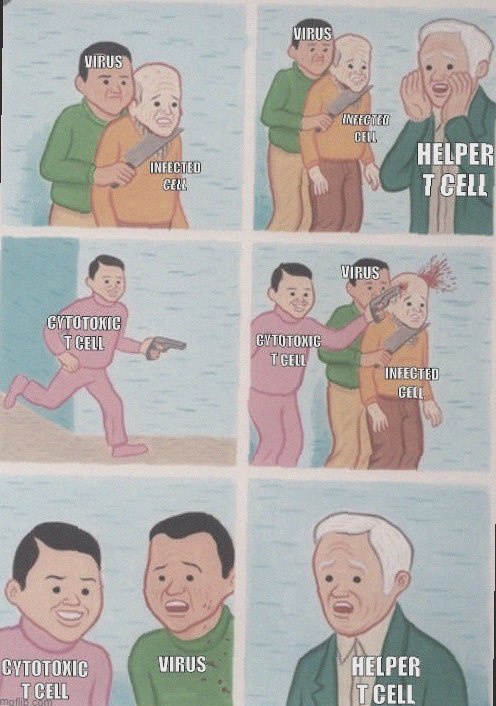
Content INFECTED CELS CYTOTONIG CYTOTOXIC T CELL VIRUS CYTOTOXIC TelL CEL HELPER TGEL INFECTED CELL HELPER (T CELL

Take Your ID With You Before Going Out Of The House

Take Your ID With You Before Going Out Of The House
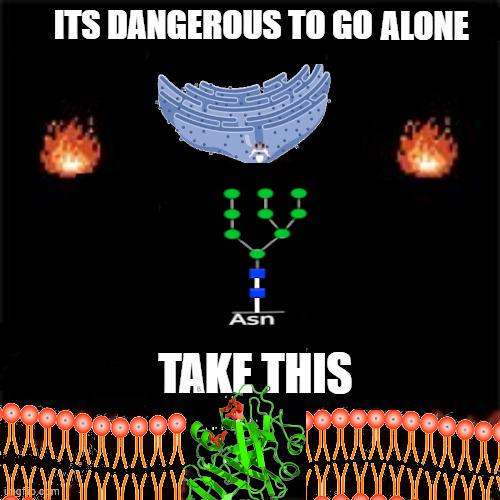
A biochemistry pun that would make even the most stoic PI crack a smile. The meme references the Legend of Zelda's iconic "It's dangerous to go alone, take this" line, but replaces the sword with a protein structure. What you're looking at is tRNA (transfer RNA) handing over an amino acid to build a protein—essentially cellular molecular ID. Without this molecular handoff, protein synthesis would collapse faster than undergraduate attendance after midterms.

Viral Inception: When Parasites Get Parasites

Viral Inception: When Parasites Get Parasites
Behold the microbial matryoshka dolls of doom! Just when viruses thought they were the ultimate biological hackers, along comes the virophage—nature's way of saying "I heard you like parasites, so I put a parasite in your parasite!" These tiny terrors actually invade viruses that are already invading cells! It's like microscopic inception, but with more genetic theft and fewer Leonardo DiCaprio dreams. Virophages literally hijack the replication machinery that the first virus stole from the cell. Talk about the ultimate biological heist—it's parasitism squared! 🧪🔬

I'm Blue Da Ba Dee Da Ba Dye

I'm Blue Da Ba Dee Da Ba Dye
The lab coat might hide your shame, but nothing hides those blue hands for the next week! Trypan blue is that sneaky little dye biologists use to stain dead cells, but it's equally effective at staining lab benches, fingers, and dignity. Spill it once and suddenly you're walking around looking like you high-fived a Smurf. The best part? Telling everyone "No, I'm not sad, just careless with vital stains" while secretly wondering if your PI will notice before the next lab meeting. Bonus points if you accidentally touch your face and walk around with a blue nose like some sort of scientifically-accurate Rudolph.

The Powerhouse Of The Classroom

The Powerhouse Of The Classroom
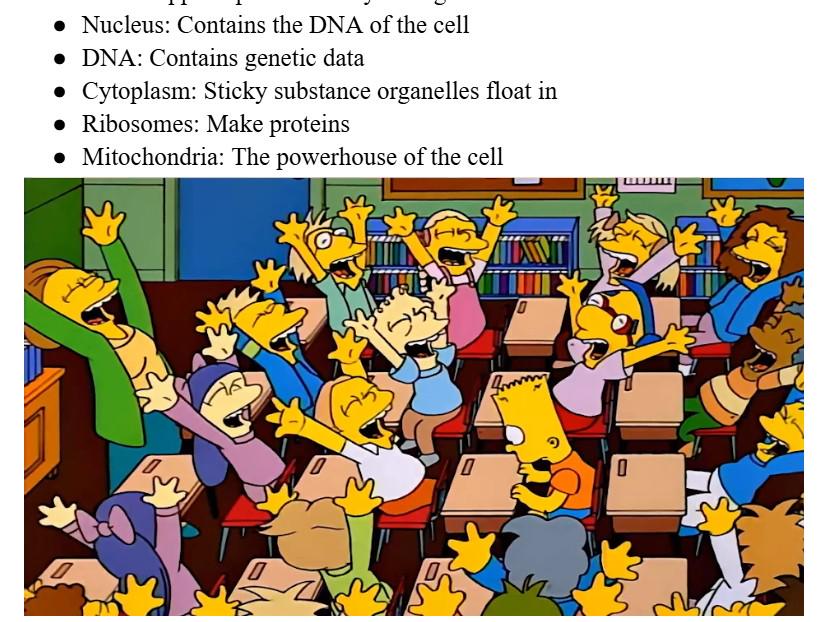
The ultimate biology class flex! When the teacher drops that mitochondria bomb ("the powerhouse of the cell"), everyone loses their minds except Bart Simpson, who's clearly questioning his life choices. Meanwhile, the rest of the class is experiencing collective cellular enlightenment. It's like discovering free energy in your own body. The simplified notes perfectly capture how complex biological concepts get reduced to memeable one-liners that somehow stick with us forever. Twenty years later and you'll still remember mitochondria's job while forgetting your neighbor's name.

And They're Both Right

And They're Both Right
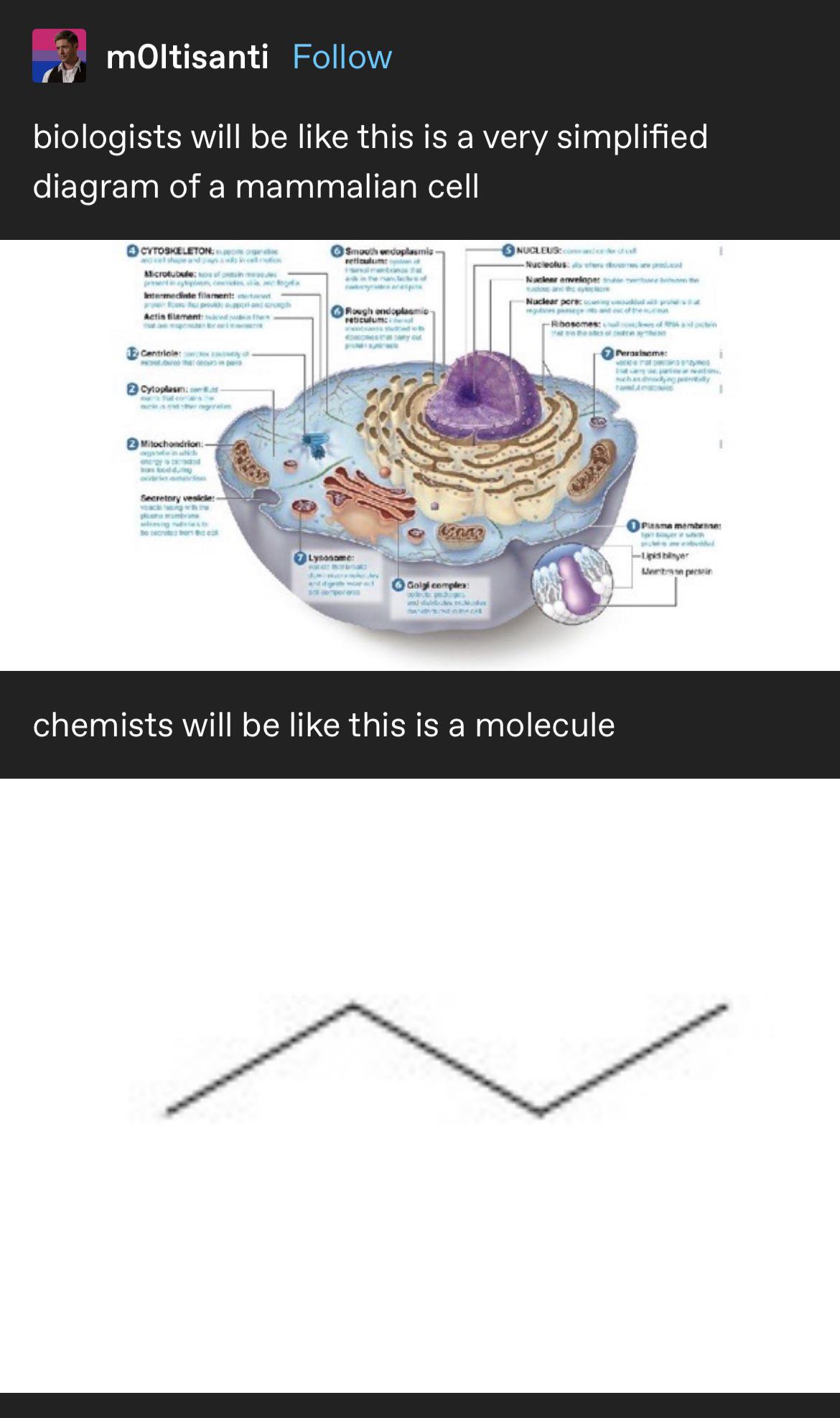
The scientific scale of complexity is hilariously on display here! Biologists looking at an intricate, labeled 3D cell diagram with countless organelles and structures: "Yeah, this is pretty simplified." Meanwhile, chemists see a simple zigzag line and declare it a whole molecule. It's the perfect encapsulation of how different scientific disciplines perceive complexity. Biologists drowning in cellular machinery while chemists are like "two carbon atoms connected? That's practically an encyclopedia!" The wildest part? Neither is wrong - just operating at completely different scales of reality!

Is Kinesin Motor Protein Happy?

Is Kinesin Motor Protein Happy?
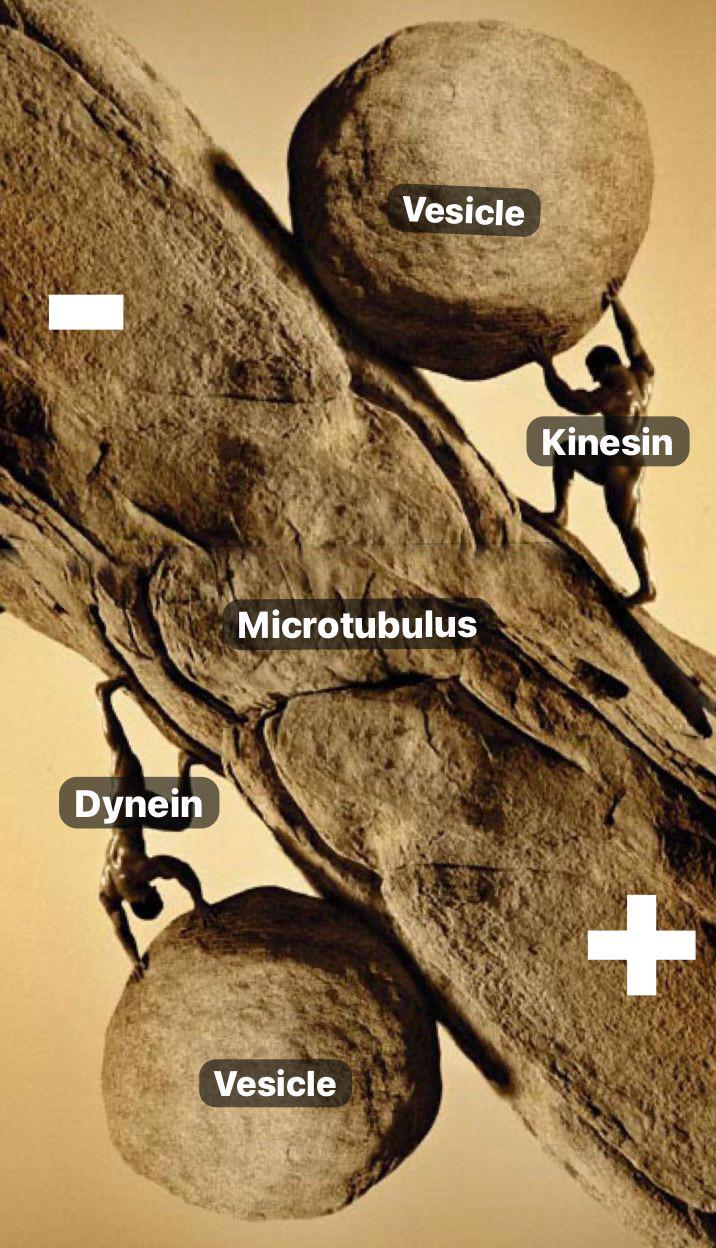
Sisyphus had it easy compared to kinesin. This tiny protein literally spends its entire existence hauling cellular cargo up a microtubule mountain, one ATP-fueled step at a time. Meanwhile, dynein's just working the downhill shift. Sure, kinesin looks happy in this cleverly edited image of Sisyphus, but that's just the ATP talking. The protein equivalent of your morning coffee, except it needs about a million cups per second. And you thought your commute was rough.

Life Of A Ribosome: The Cellular Class Divide

Life Of A Ribosome: The Cellular Class Divide
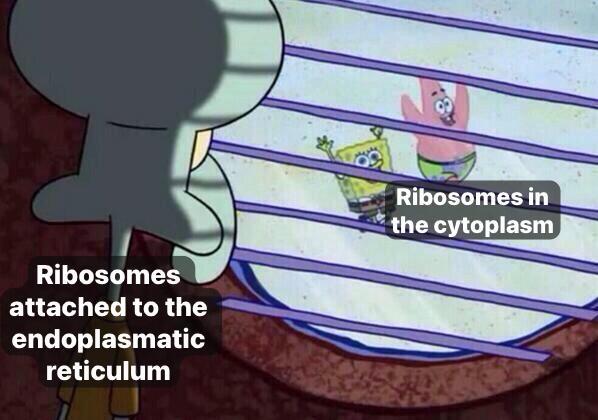
The cellular class system in full display! Ribosomes attached to the endoplasmic reticulum looking down on their free-floating cytoplasmic cousins like they're watching the peasants from their fancy mansion. These protein-making factories have the audacity to develop a hierarchy when they're all just RNA and proteins themselves. The bougie ER-bound ribosomes make proteins for export, while the "commoners" in the cytoplasm handle the local protein needs. Biology's version of "I'm better than you because I have real estate." Next they'll be forming a ribosomal homeowners association.