Medicine Memes

Medicine: where "take two aspirin and call me in the morning" is both a joke and sometimes legitimate medical advice. These memes celebrate the science of keeping humans functioning despite their best efforts to the contrary. If you've ever diagnosed yourself with a terminal illness after reading WebMD only to have a doctor tell you it's just allergies, explained to friends that antibiotics don't work on viruses for the hundredth time, or felt the special horror of medical professionals googling your symptoms right in front of you, you'll find your fellow body hackers here. From the miracle of modern pharmaceuticals to the persistent mystery of the placebo effect, ScienceHumor.io's medicine collection honors the field that combines cutting-edge science with the ancient art of telling people to get more sleep and drink more water.
Sorry For You Guys :(

Sorry For You Guys :(
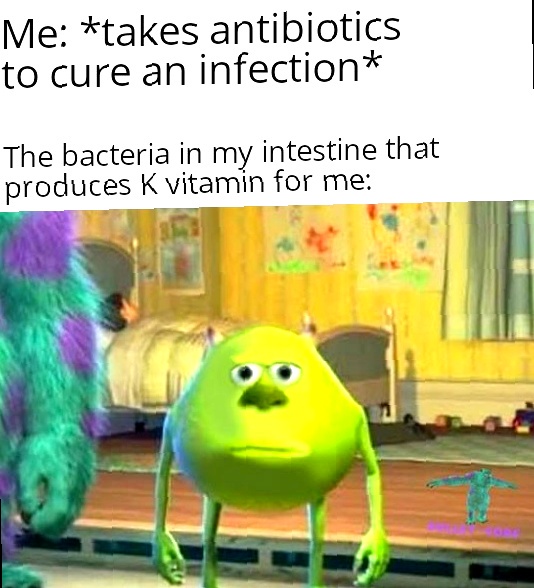
Your gut microbiome just got nuked, and the collateral damage is real. Those helpful bacteria that synthesize vitamin K (crucial for blood clotting and bone health) are sitting there like Mike Wazowski watching their entire world crumble. Antibiotics don't discriminate—they're taking out the infection AND your intestinal allies who've been quietly doing their job making essential nutrients you can't produce yourself. The defeated posture captures exactly how your gut flora feels after getting carpet-bombed by broad-spectrum antibiotics. RIP to the real ones who were just trying to help with digestion and vitamin production. Time to eat some yogurt and apologize to your microbiome.

Keep Going And Maybe Find The Serotonin

Keep Going And Maybe Find The Serotonin
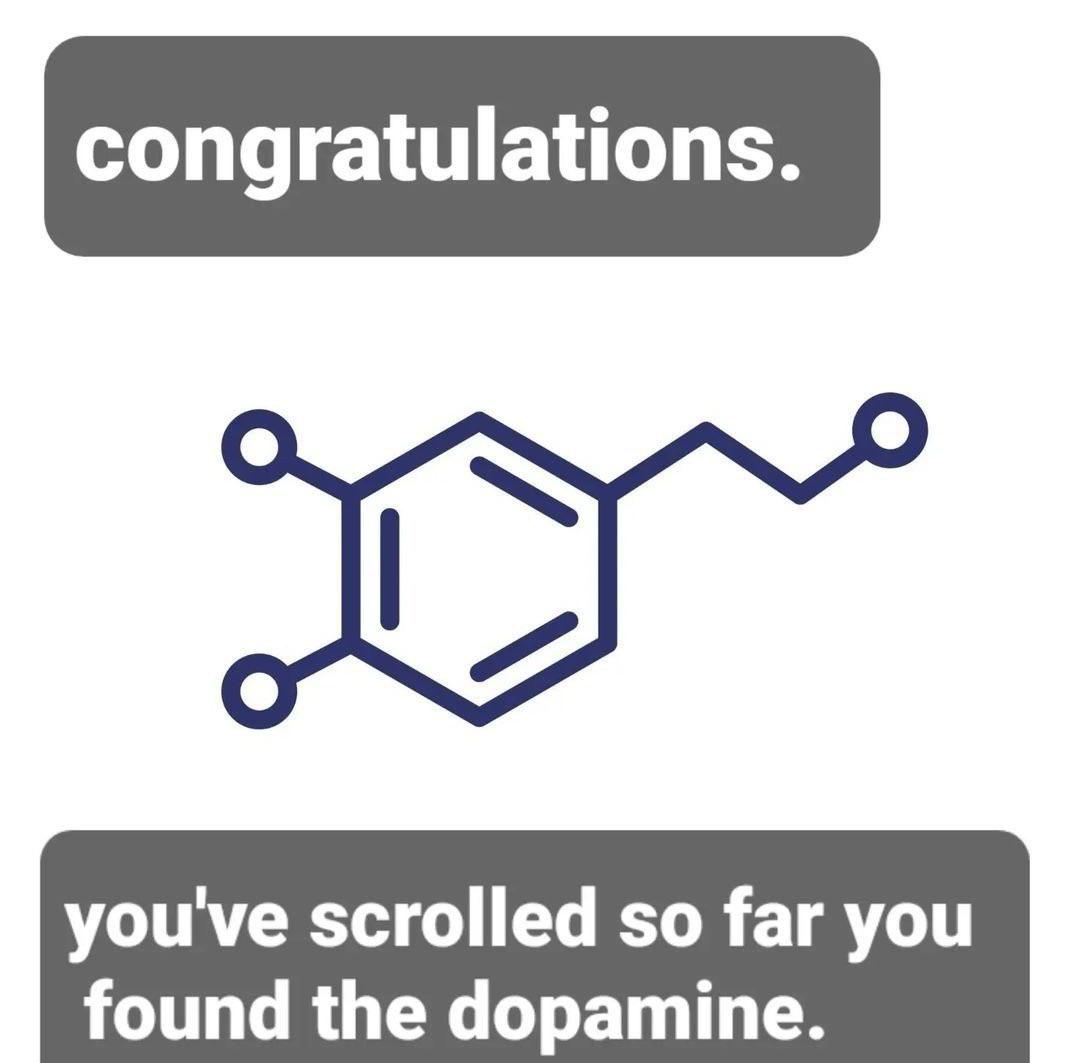
Plot twist: you're getting your neurotransmitter rewards from doomscrolling through social media instead of, you know, actual life experiences. The meme sarcastically celebrates finding dopamine (the reward/motivation molecule) while you're still desperately searching for serotonin (the mood stabilizer/happiness molecule). It's basically your brain's way of saying "congratulations on finding the participation trophy while the actual prize is still MIA." The chemical structure shown is dopamine with its characteristic benzene ring and ethylamine chain—easily recognizable to anyone who's taken intro biochem or stared at their antidepressant bottle long enough. The joke hits different when you realize dopamine gives you that quick hit of satisfaction (likes! notifications! new posts!) while serotonin is what you actually need for sustained wellbeing. Your brain is basically running on the neurochemical equivalent of junk food.

Blood Is Blood!

Blood Is Blood!
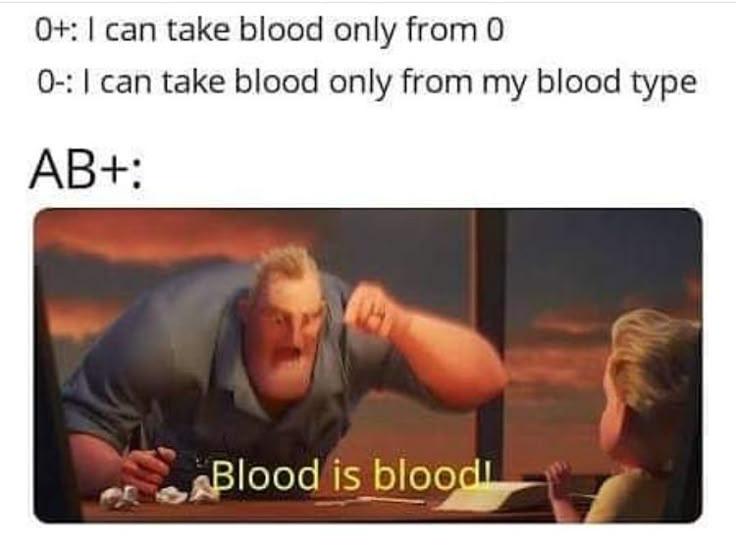
O+ can only receive from O types. O- is even pickier, stuck with only O-. Meanwhile AB+ is over here living its best life as the universal recipient, accepting donations from literally everyone. It's the golden retriever of blood types—just happy to be included. No antibodies against A, B, or Rh antigens means AB+ can raid the entire blood bank buffet while O- sits in the corner with its one menu option.

Computed Tomography Meme

Computed Tomography Meme
Someone just discovered that CT stands for "Computed Tomography" but their brain immediately went to "City Tomography" instead. Because why use a multi-million dollar medical imaging device to look inside human bodies when you could scan entire cities for suspicious activity? Forget healthcare—we're talking full-scale urban surveillance with X-rays! The grandfather paradox just got a medical twist. Instead of worrying about accidentally preventing your own birth, you're now concerned about whether TSA-level security at city gates would create a stable timeline. Honestly, using a CT scanner on city entrances is the most expensive, radiation-heavy, and wildly impractical security measure ever conceived. But hey, at least you'd get detailed cross-sectional images of everyone's luggage... and internal organs... and probably a lawsuit.

Truly The Most Underrated Organ

Truly The Most Underrated Organ
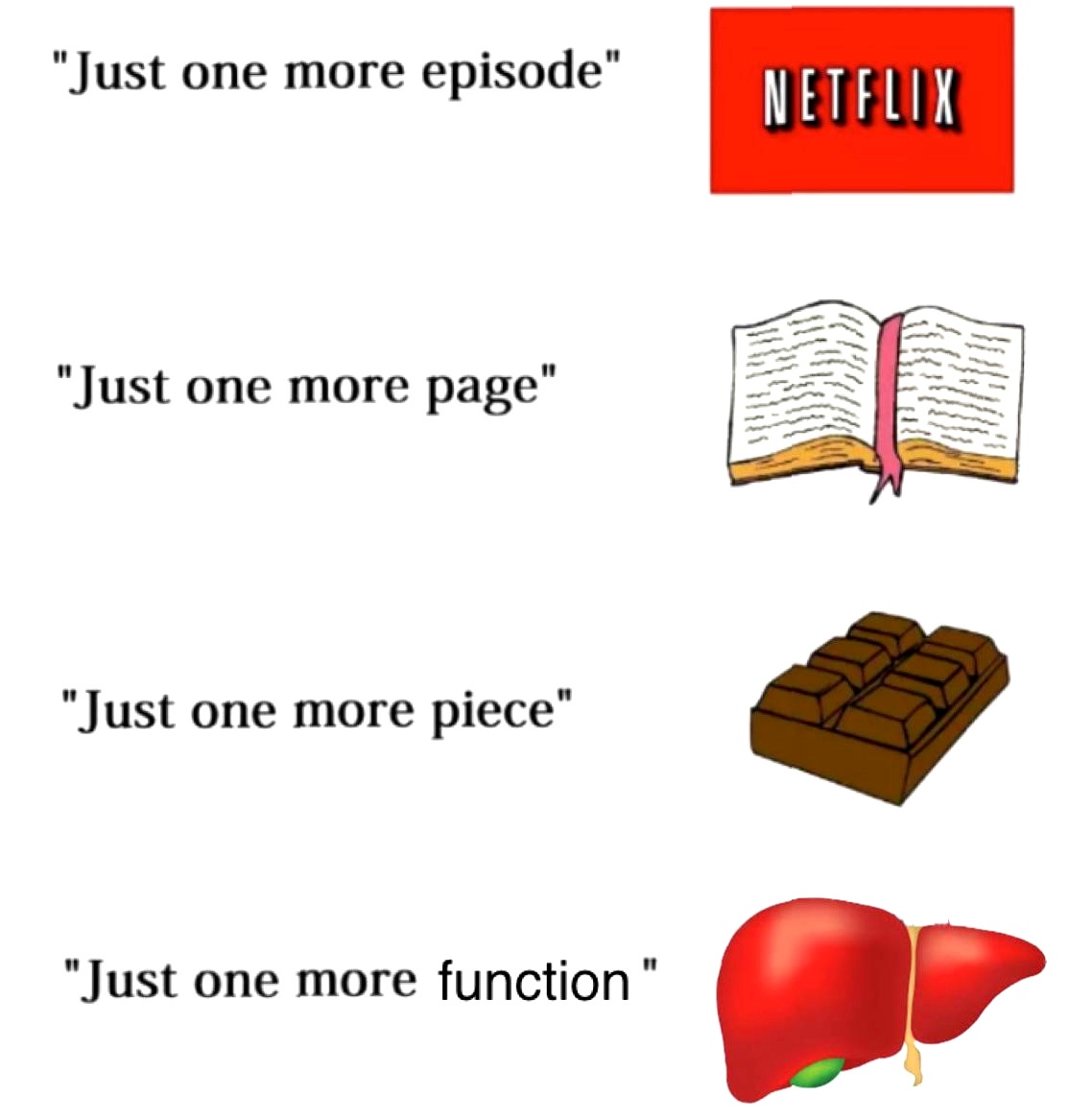
Your liver is out here performing over 500 different functions—detoxifying your blood, producing bile, storing vitamins, regulating blood sugar, synthesizing proteins, metabolizing drugs, and basically keeping you alive while you make questionable life choices. Meanwhile, you're over there like "just one more piece" of chocolate at 11 PM. While Netflix gets a "just one more episode," books get a "just one more page," and chocolate gets a "just one more piece," your liver is in the corner going "just one more function" for the 500th time today without a single thank you. It's literally the overachiever of your body that never sleeps, never complains, and has the audacity to regenerate itself even when you treat it like garbage. Fun fact: Your liver is the only internal organ that can completely regenerate from as little as 25% of its original mass. So yeah, it's basically the Wolverine of organs, which makes it even more tragic that we celebrate chocolate more than this absolute legend.

The Only Time My Degree Makes Me Feel Like A Genius

The Only Time My Degree Makes Me Feel Like A Genius
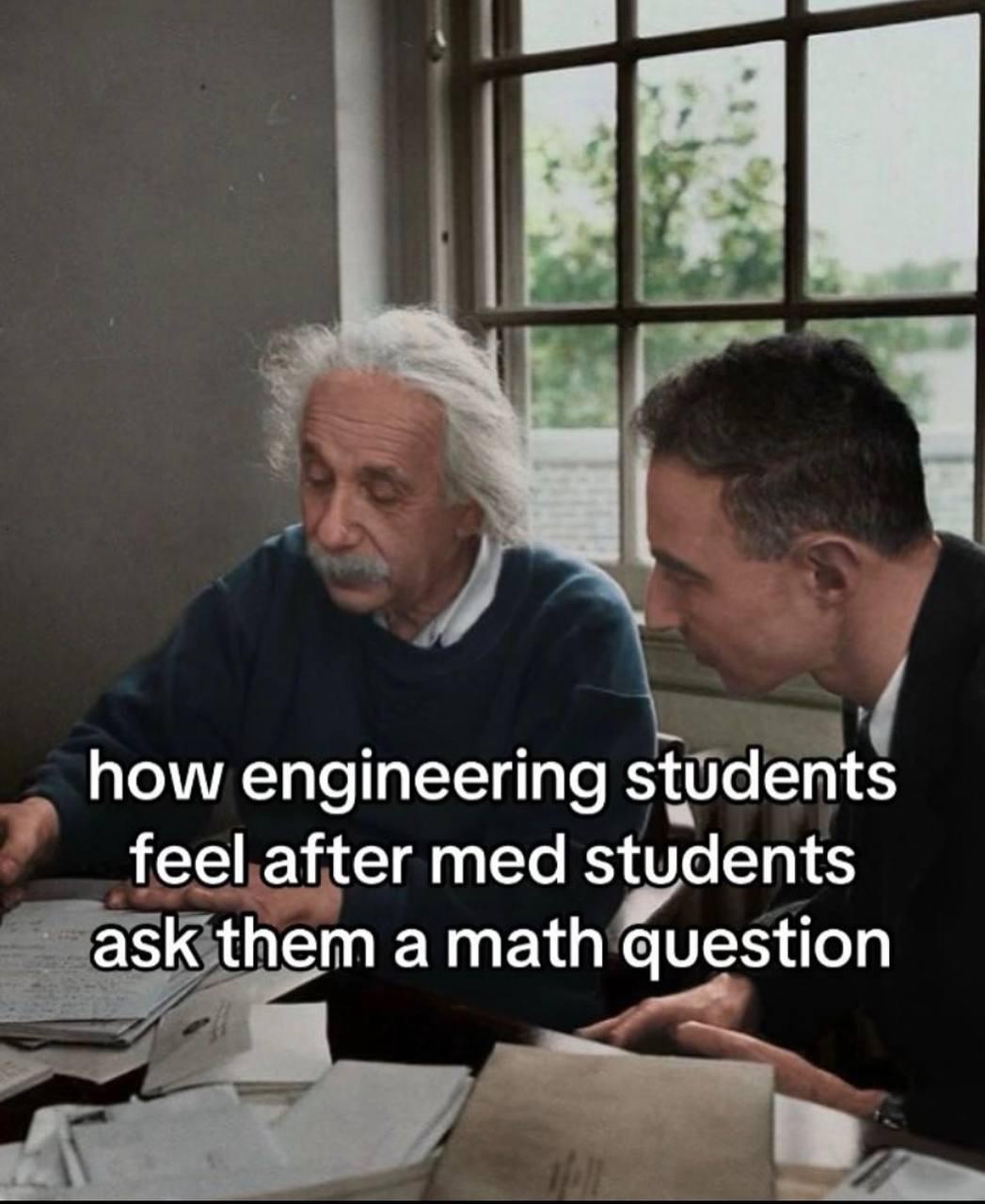
Engineering students spend years wrestling with differential equations, thermodynamics, and complex analysis, only to realize their superpower is... basic arithmetic. Meanwhile, pre-med students are over here memorizing the entire human body, thousands of drug interactions, and obscure disease pathways, but ask them to calculate a tip at a restaurant and suddenly they're looking at you like you just asked them to solve the Riemann hypothesis. The beautiful irony here is that engineering curricula are basically four years of mathematical torture—calculus, linear algebra, differential equations, numerical methods—while medical students focus on memorization and pattern recognition. So when a med student needs help with integrals or probability, engineering students get that rare dopamine hit of feeling intellectually superior. It's like being Einstein for exactly 3 minutes before returning to your regularly scheduled existential crisis about job prospects. Fun fact: both groups will end up making more money than math PhDs, who actually understand what they're doing.

That Sh*t Scares Me

That Sh*t Scares Me
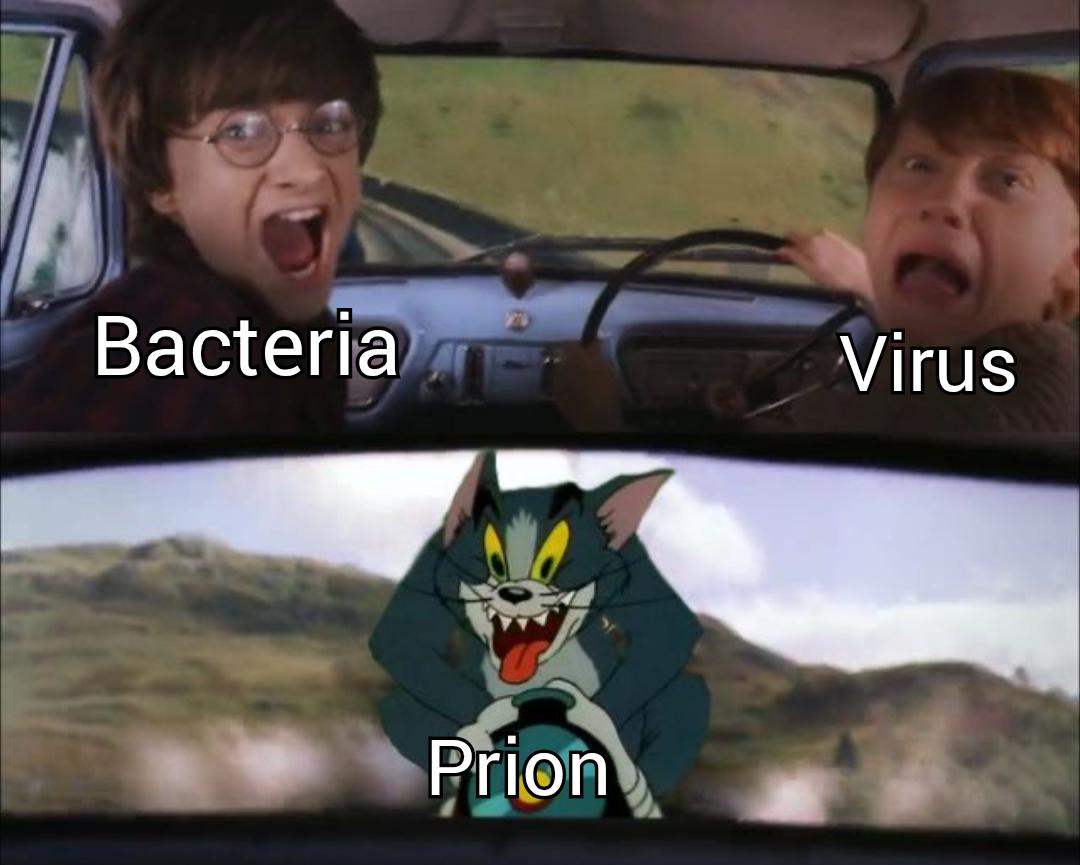
Bacteria and viruses are running scared from the real nightmare fuel of microbiology. Prions are misfolded proteins that force other proteins to misfold too, spreading like a corrupted file that crashes your entire operating system—except the operating system is your brain. No DNA, no RNA, just pure protein chaos that can't be killed by heat, radiation, or most disinfectants. They cause diseases like Creutzfeldt-Jakob disease and mad cow disease, turning brains into literal sponges. At least you can nuke bacteria with antibiotics and sometimes convince viruses to leave with antivirals. Prions? They just laugh at your autoclave and keep replicating. Nature's perfect villain.

Love My Immune System, But Sometimes It Doesn't Love Me Back

Love My Immune System, But Sometimes It Doesn't Love Me Back
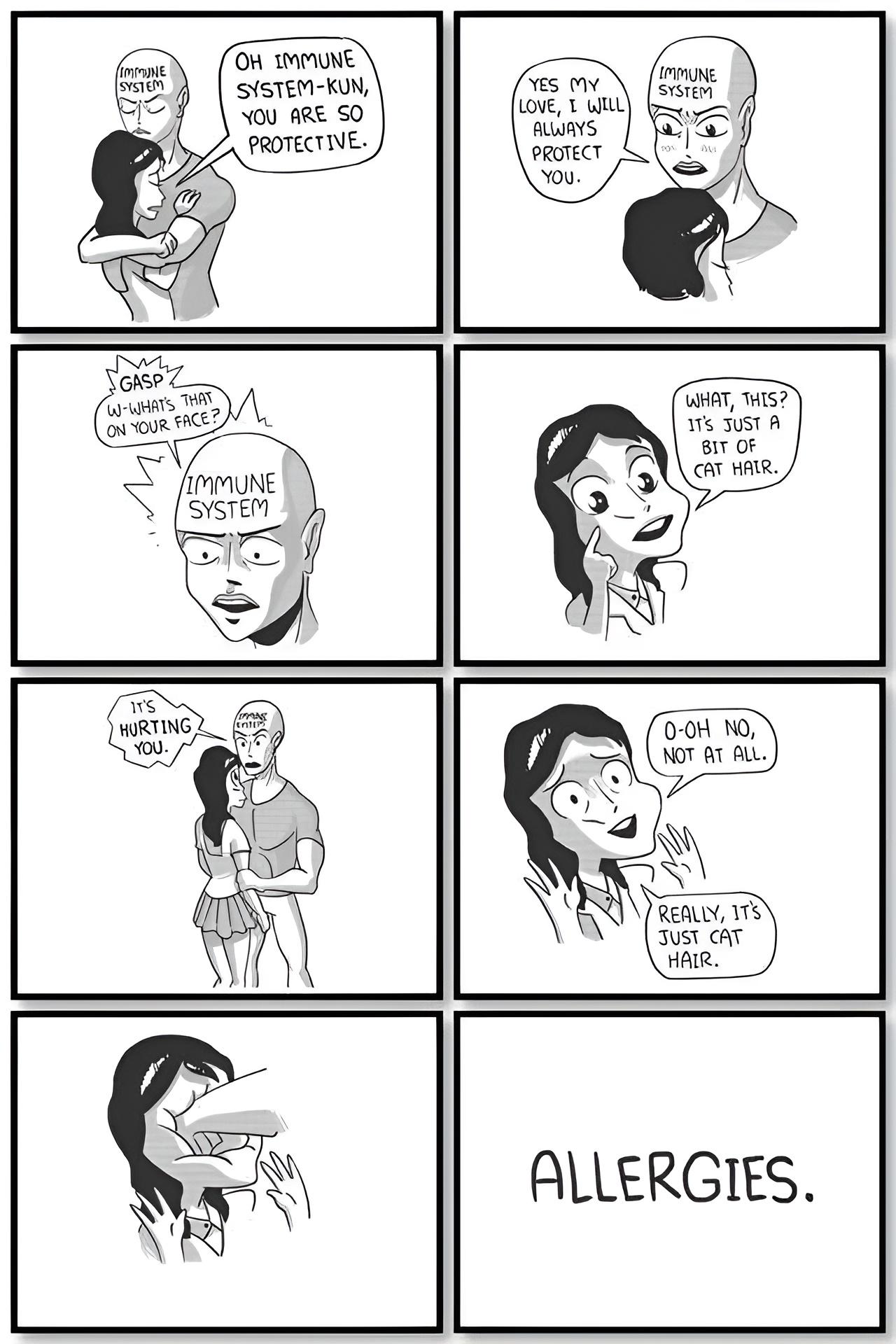
Your immune system is basically that overprotective friend who means well but absolutely cannot read the room. Here we see the classic toxic relationship dynamic: the immune system promises eternal protection, gets all romantic about it, then completely loses its mind over a single cat hair and decides to wage full-scale biological warfare against your own body. Allergies are just your immune system being paranoid and treating harmless proteins like they're the bubonic plague. Cat dander? THREAT LEVEL MIDNIGHT. Pollen? DEFCON 1. A peanut? TIME TO SHUT DOWN ALL MAJOR ORGANS. It's like having a security guard who shoots first and never asks questions. Thanks for keeping me safe from... *checks notes* ...a piece of dust, buddy. Really appreciate the histamine flood and the inability to breathe through my nose for three days. The best part? Your immune system is technically functioning correctly when it does this—it's just spectacularly wrong about what constitutes danger. Evolution really dropped the ball on quality control here.

When You Want To Sleep But You Just Had A Cup Of Coffee

When You Want To Sleep But You Just Had A Cup Of Coffee
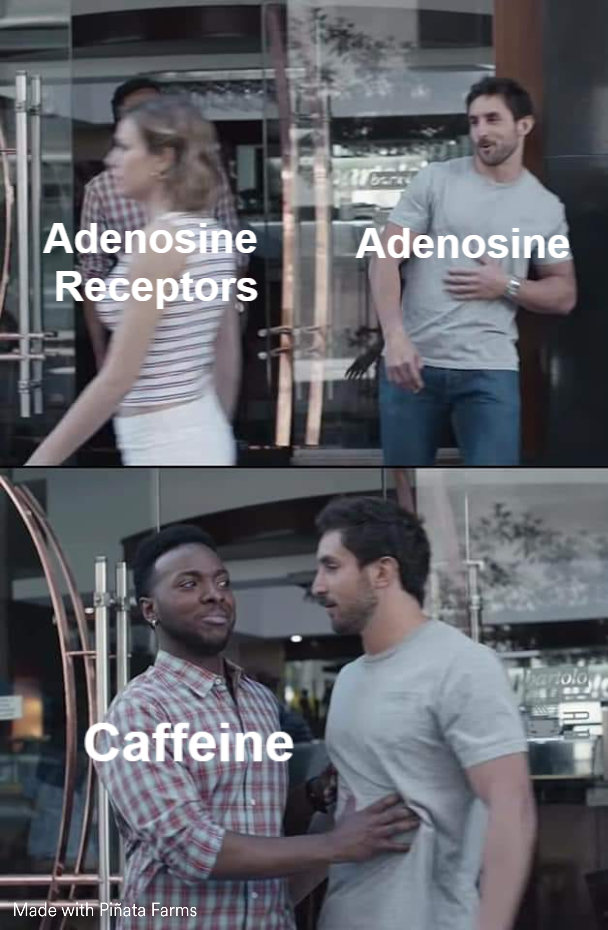
Your adenosine receptors are out here getting ghosted harder than a Tinder match. See, adenosine builds up in your brain throughout the day, making you drowsy when it binds to its receptors—basically nature's "go to bed" signal. But then caffeine swoops in like the ultimate homewrecker, blocking those receptors because it's structurally similar enough to adenosine. Your poor adenosine receptors are standing there like "hello??" while caffeine is all "nah, I got this spot now." The best part? The adenosine doesn't disappear—it just keeps piling up, waiting. So when the caffeine finally wears off, all that backed-up adenosine hits you like a freight train. That's why your 2 PM coffee leads to a 6 PM crash and a very confused circadian rhythm. Biochemistry really said "choose violence" with this one.

Endogenous Circadian Oscillator When It's Morning

Endogenous Circadian Oscillator When It's Morning
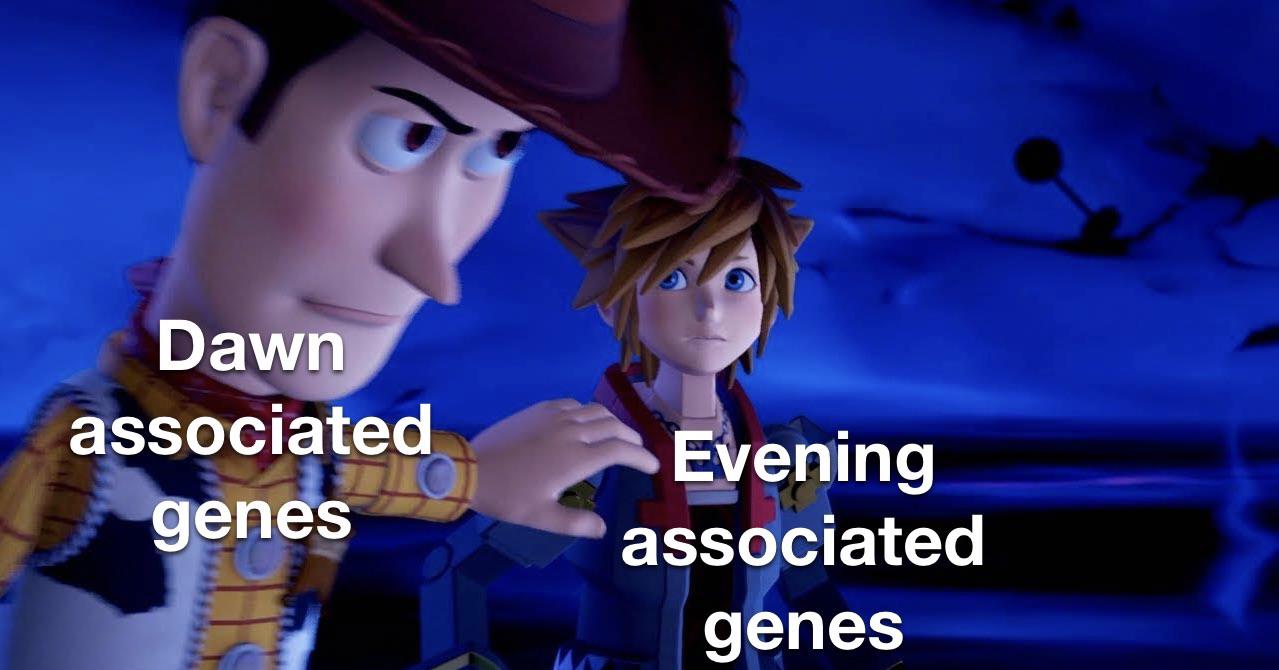
Your circadian rhythm is basically your body's internal clock running a 24-hour reality show where different genes take turns being the main character. Dawn-associated genes are the morning people who show up way too enthusiastic at 6 AM, ready to start the day with cortisol spikes and alertness. Evening-associated genes? They're the night owls who'd rather be literally anywhere else during morning hours. The circadian oscillator—controlled by your suprachiasmatic nucleus in the hypothalamus—coordinates this genetic battle royale. When morning hits, dawn genes like PER and CRY proteins start their shift, aggressively waking you up whether you like it or not. Meanwhile, evening genes are getting absolutely manhandled, forced into submission despite their protests. It's like a molecular changing of the guard, except one guard is dragging the other off stage. This is why you can't just "decide" to be a morning person—your gene expression patterns have already picked sides in this daily turf war.

A French Anatomy Book Trying To Illustrate How Horses Bones Are Similar To Ours

A French Anatomy Book Trying To Illustrate How Horses Bones Are Similar To Ours
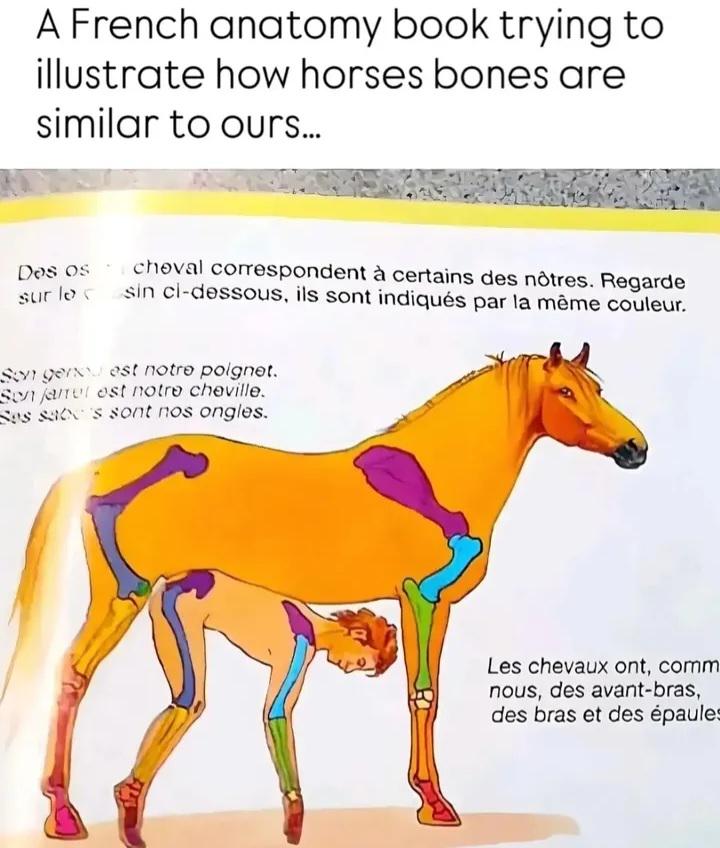
So this French anatomy textbook decided the best way to teach comparative anatomy was to create what can only be described as a fever dream rainbow horse that looks like it wandered out of a Lisa Frank nightmare. The color-coding is actually genius though—each bone group gets its own fabulous shade to show how horse bones map onto human anatomy. Your wrist? That's basically a horse's knee. Your fingers? Those are the horse's entire lower leg bones, which is why horses are essentially tiptoeing around on one giant middle finger. Evolution really said "let's take a hand, stretch it out, and make it fast" and honestly? Iconic. The French really know how to make comparative anatomy look like a party.

Truly Groundbreaking Stuff

Truly Groundbreaking Stuff
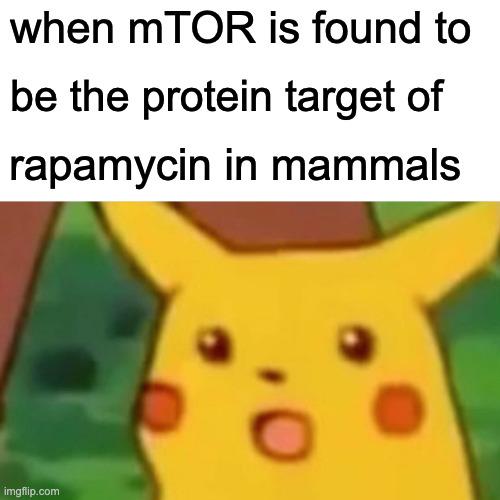
So rapamycin was literally named after where it was discovered (Easter Island, or Rapa Nui), and scientists spent decades figuring out what it actually does in cells. Then they discovered it binds to this protein called mTOR—which stands for "mechanistic Target Of Rapamycin." Yes, you read that right. They named the protein after the drug that targets it. It's like discovering a key and then naming the lock "Thing That This Key Opens." The circular logic is *chef's kiss*. The shocked Pikachu face captures the scientific community's collective reaction when they realized they'd essentially created a self-referential naming loop. mTOR regulates cell growth, metabolism, and aging, making it a huge deal in biology and medicine. But the naming? That's just peak scientific creativity—or laziness, depending on how generous you're feeling.