
Oceanography Memes

Posts tagged with Oceanography

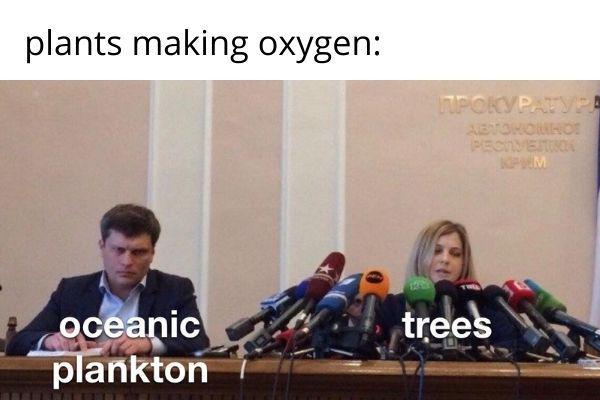
Come On, Give The Oceanic Plankton Some Recognition

Come On, Give The Oceanic Plankton Some Recognition
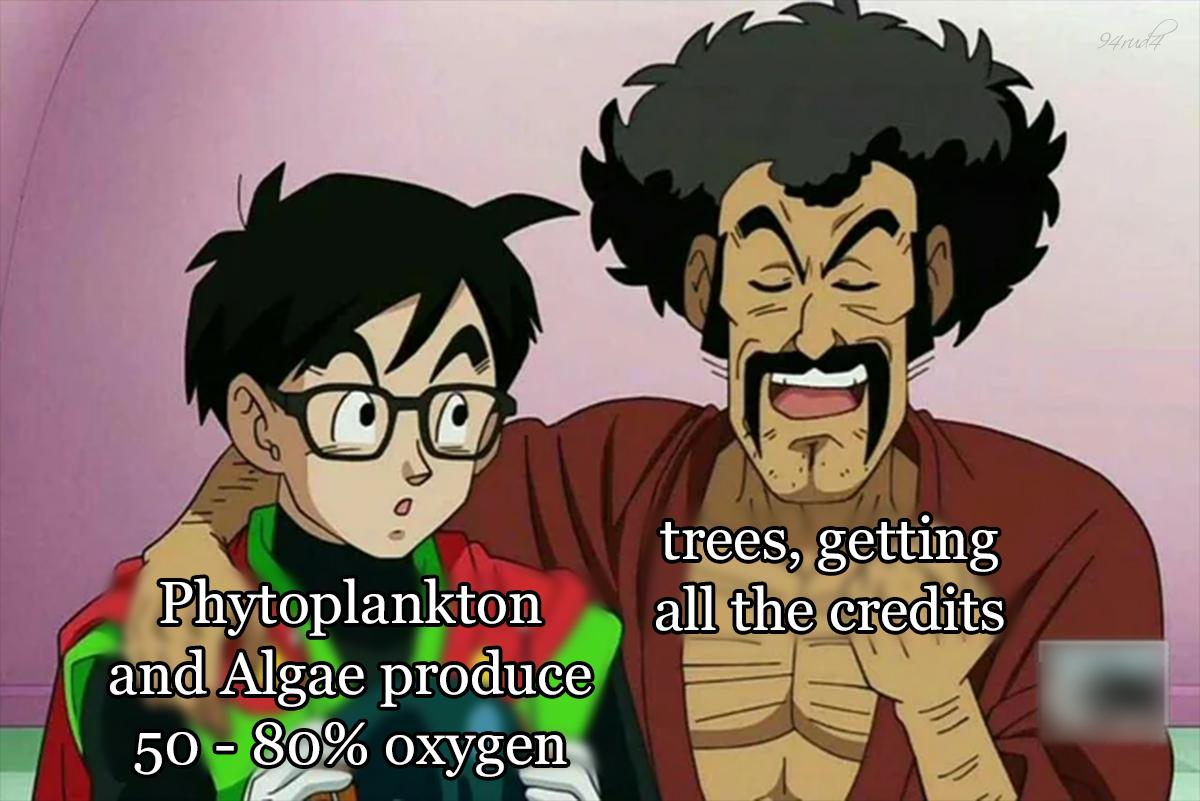
The unsung hero of oxygen production sits ignored at the press conference while trees get all the microphones and media attention. Little do people realize that oceanic phytoplankton actually produce 50-80% of Earth's oxygen through photosynthesis. Trees are just flashy PR machines with good agents, while these microscopic marine organisms quietly keep us breathing without so much as a thank you card. Next time you take a deep breath, remember who's really doing the heavy lifting—it's not that oak in your backyard hogging all the credit.

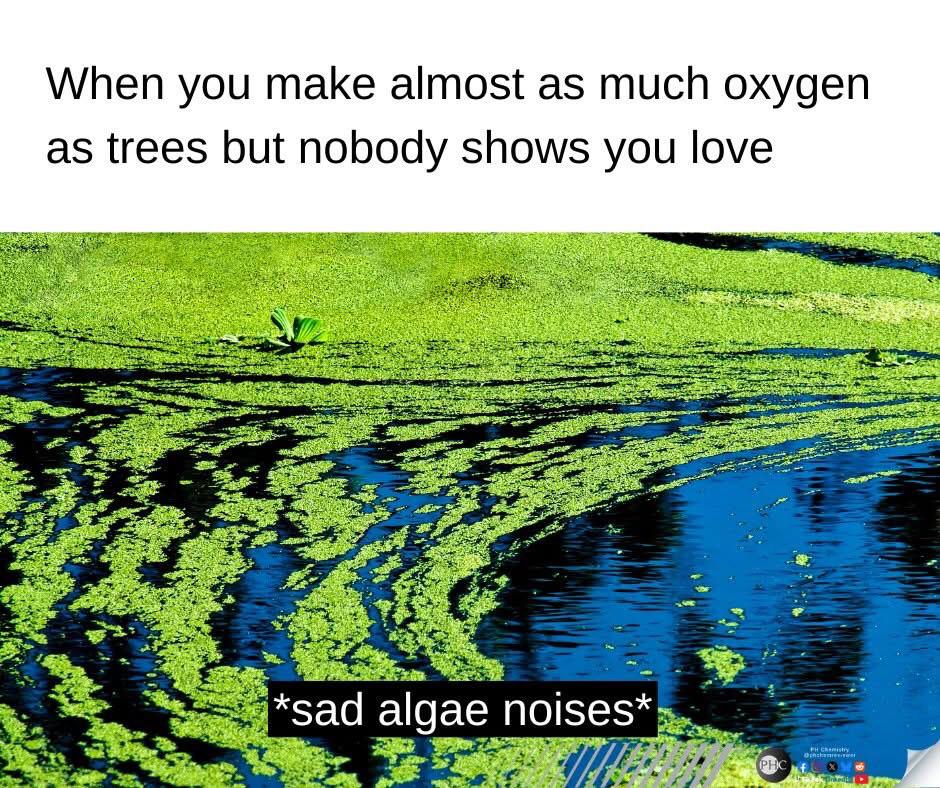
The Unsung Heroes Of Photosynthesis

The Unsung Heroes Of Photosynthesis
The unsung heroes of photosynthesis are having an existential crisis! While trees get all the environmental glory with their majestic trunks and pretty leaves, algae is out here producing 50-80% of Earth's oxygen and getting absolutely zero thank-you cards. It's like being the IT department of the ecosystem - nobody notices you until something goes wrong. Next time you take a deep breath, remember that tiny green blob in the water is probably responsible for it. Justice for algae! #TeamPhytoplankton

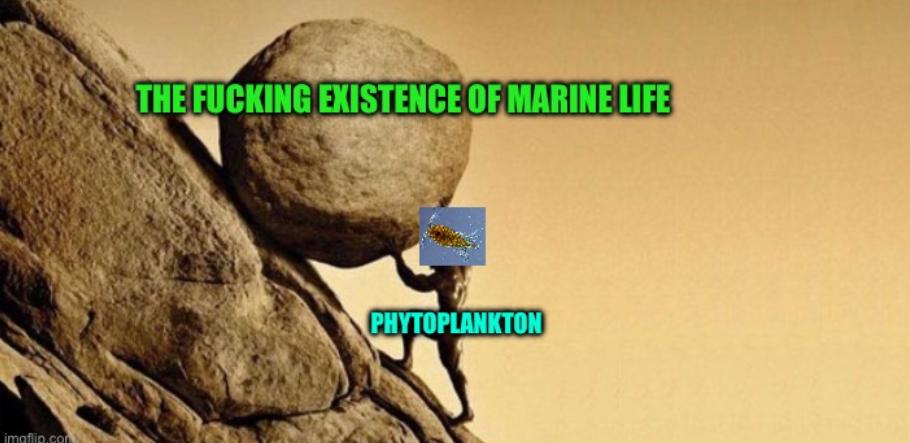
The Microscopic Atlas Of The Sea

The Microscopic Atlas Of The Sea
This meme brilliantly captures how the entire marine ecosystem rests on the microscopic shoulders of phytoplankton. These tiny photosynthetic organisms produce over 50% of Earth's oxygen while serving as the foundation of the oceanic food web. It's like watching a microorganism Atlas holding up the entire ocean instead of the sky. Next time you take a breath, remember to thank these invisible heroes who've been carrying the team since before fish thought swimming was cool.

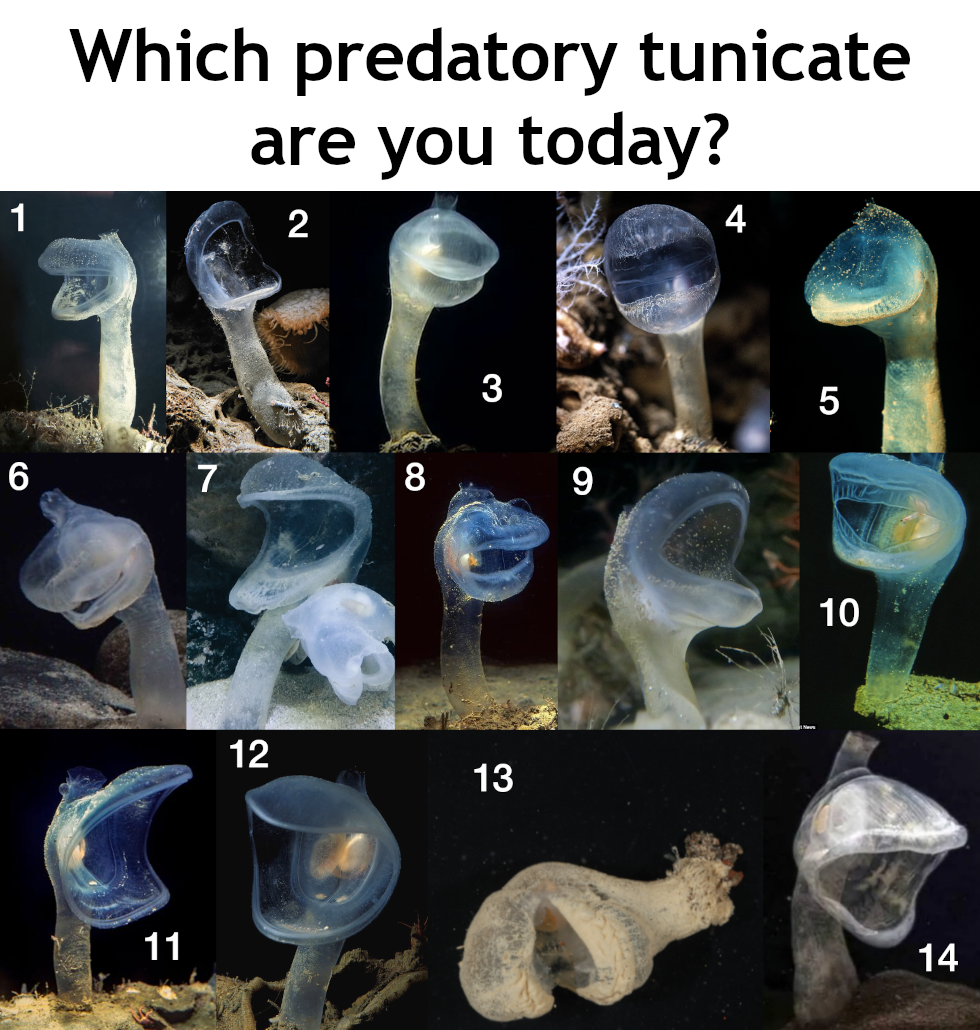
Which Predatory Tunicate Are You Today?

Which Predatory Tunicate Are You Today?
Behold the magnificent personality quiz of the deep sea! These translucent nightmares are actually sea squirts (tunicates) in their predatory form. Despite looking like rejected alien props from a sci-fi movie, these filter-feeding organisms are our distant evolutionary cousins! That's right—these gelatinous mouth-tubes share a common ancestor with vertebrates like us. I'm personally feeling like a number 7 today—ready to silently judge everyone while looking fabulous in my see-through body. Fun fact: some tunicates actually digest their own brains after finding a nice spot to settle down. Talk about the ultimate commitment to the homebody lifestyle!

They Are Soluble!!

They Are Soluble!!
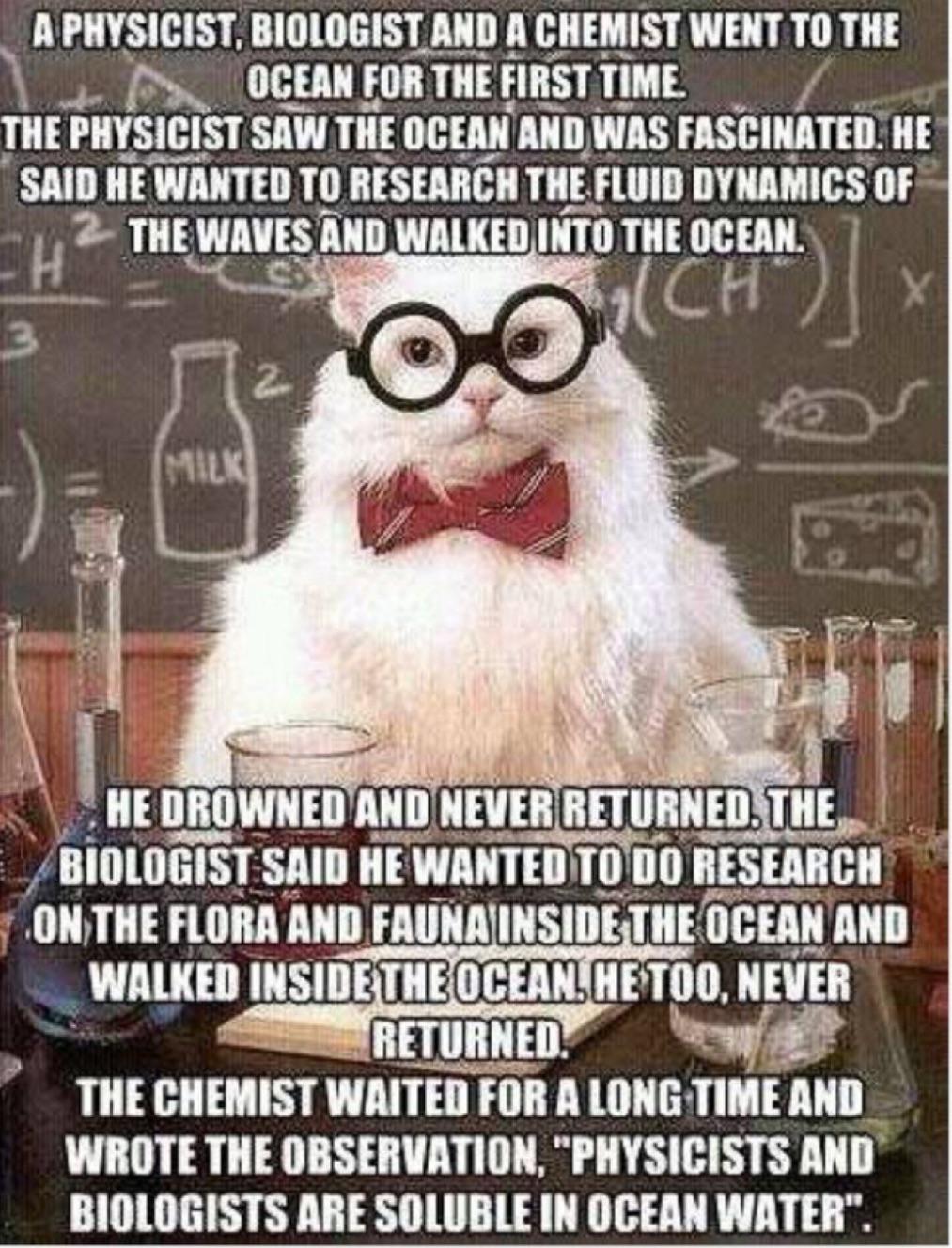
Behold! The ultimate scientific method gone hilariously wrong! While the physicist and biologist were busy dissolving themselves in the name of research, our clever chemist stayed dry and simply recorded the data: "Physicists and biologists are soluble in ocean water." Classic chemist move—letting others do the dangerous experimental work while taking notes from a safe distance! Remember kids, proper experimental design includes NOT becoming part of your solution. The chemist deserves a Nobel Prize for survival skills!

The Iceberg Theory Of Scientific Communication

The Iceberg Theory Of Scientific Communication
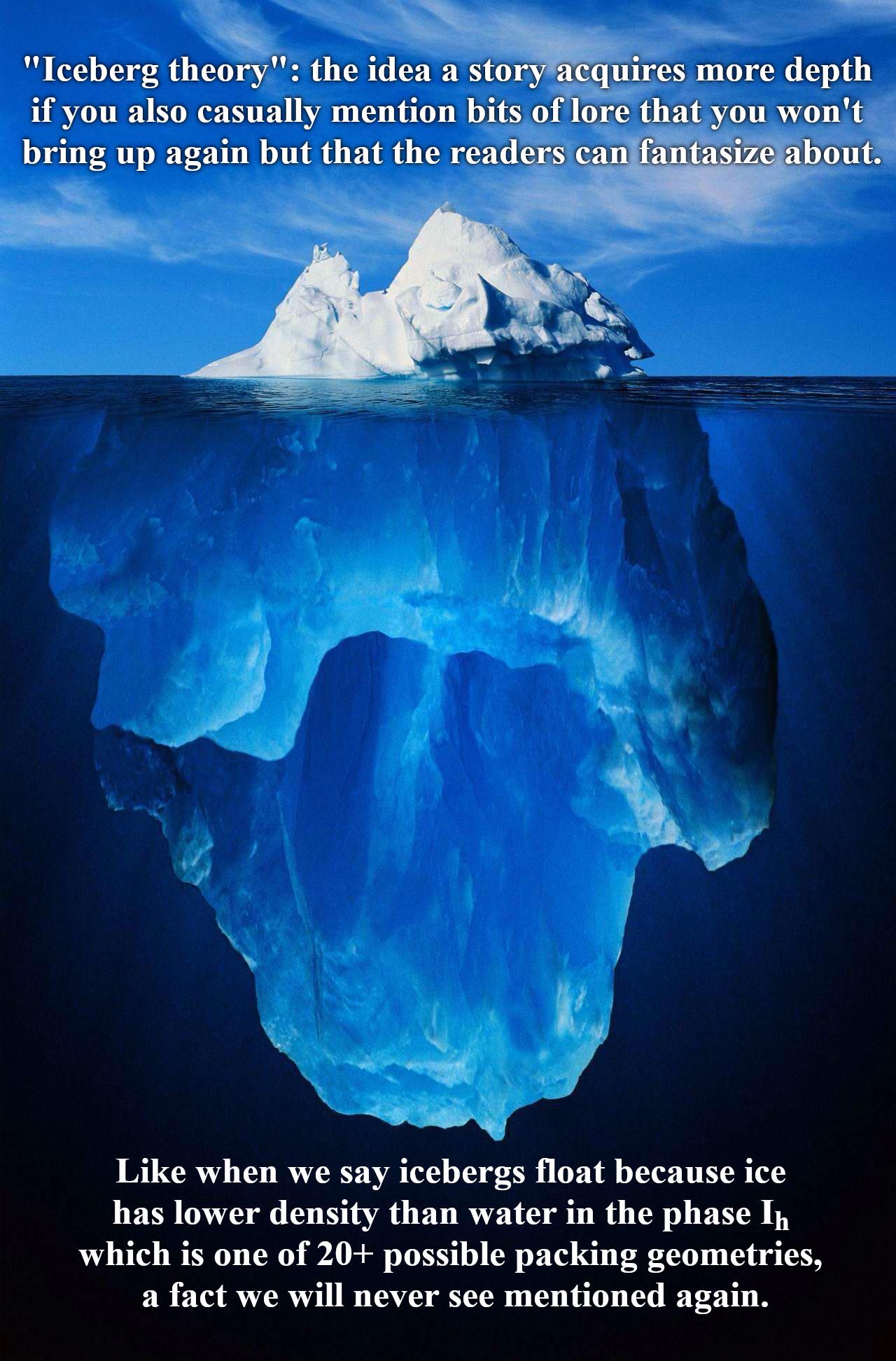
Scientists doing the iceberg theory in real time. Drop an obscure fact about ice crystalline structures, then never mention it again. Did you know water is one of the few substances whose solid form is less dense than its liquid form? That's why ice floats. I could tell you about the 20+ packing geometries, but I'm contractually obligated to leave that as an unexplored subplot in your scientific curiosity. Just like my dissertation on quantum fluctuations in frozen water molecules that my committee will never read past page 12.

The Invisible Oxygen Factory

The Invisible Oxygen Factory
The unsung heroes of our atmosphere getting no respect. While trees pose for National Geographic photoshoots, microscopic phytoplankton and algae are quietly cranking out up to 80% of Earth's oxygen without so much as a thank you card. Classic case of big plant privilege. Next time you take a deep breath, remember who's really doing the heavy lifting—it's the tiny floating organisms that didn't even get invited to Earth Day.

Cute Gets The Conservation Boot

Cute Gets The Conservation Boot
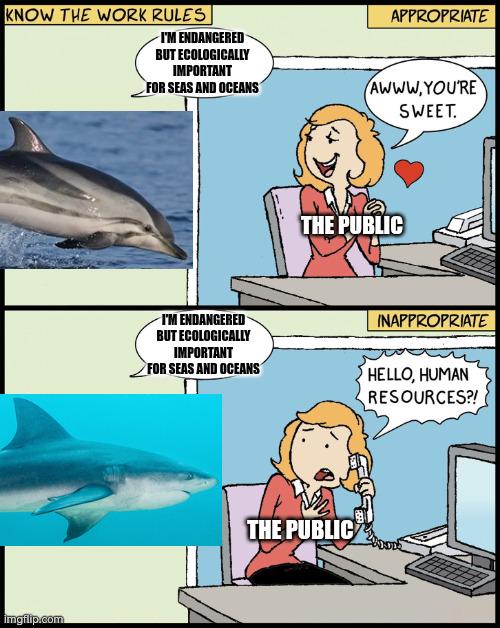
The brutal truth about conservation priorities! Dolphins say "I'm endangered but ecologically important for seas and oceans" and get the "Awww, you're sweet" treatment with heart emojis. Meanwhile, sharks with the exact same ecological plea get "Hello, Human Resources?" because apparently having a pointy face and starring in too many horror films is a PR nightmare. Conservation bias is real, folks. Cute and charismatic species get all the funding while sharks—literal ecosystem engineers who've been keeping oceans balanced for 450 million years—get treated like aquatic villains. Next time you're donating to save the oceans, remember: that shark isn't smiling because it can't, not because it doesn't deserve your love.

The Immortal Sponge Experiment

The Immortal Sponge Experiment
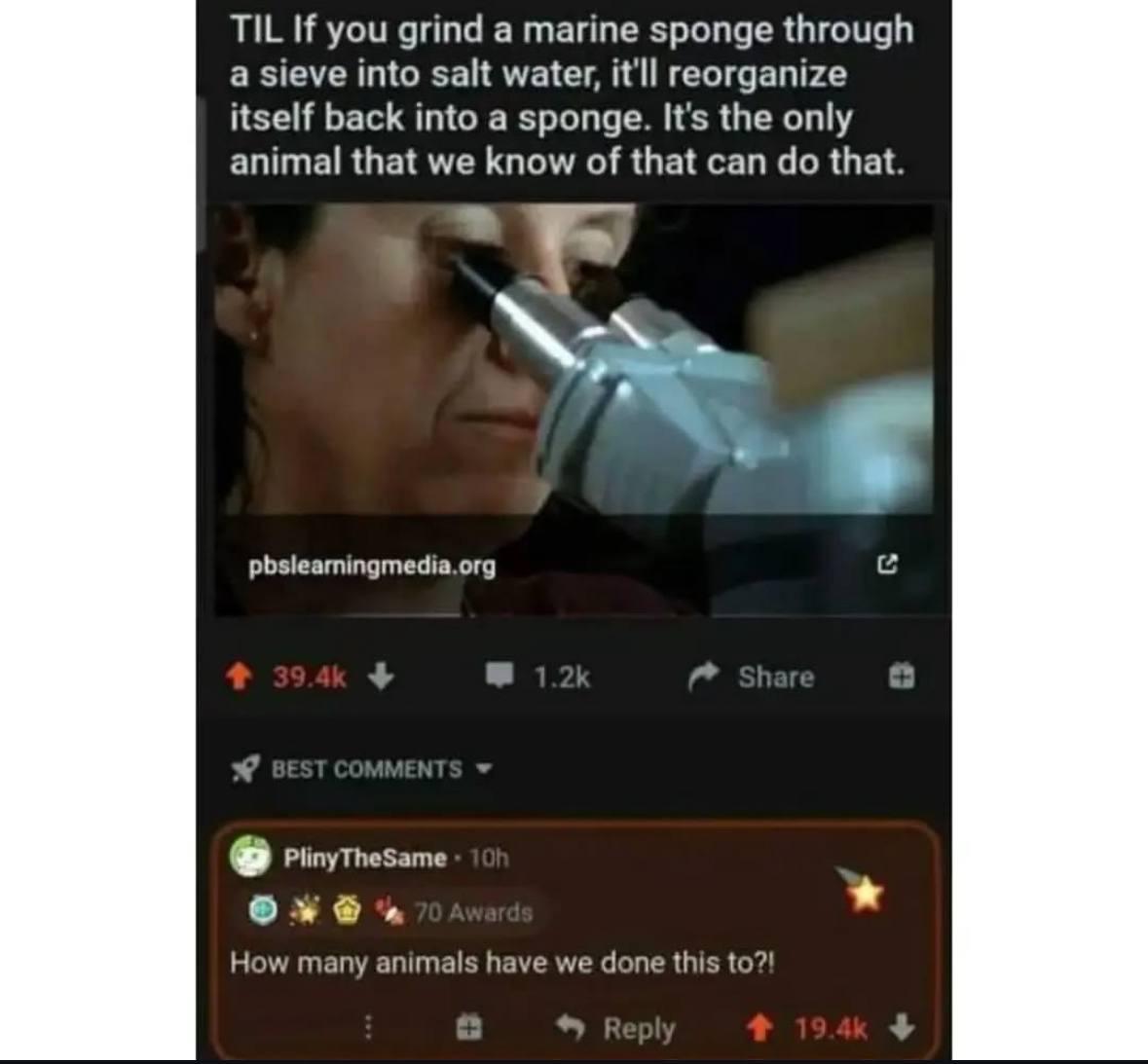
The incredible regenerative powers of marine sponges just became a dark comedy special! Scientists discovered these amazing creatures can literally be blended up, strained through a sieve, and will REASSEMBLE THEMSELVES in salt water like tiny underwater Terminators. Meanwhile, the comment below is giving us all existential crisis vibes by asking how many other animals we've pulverized without realizing they might have had similar superpowers. Turns out scientific discovery sometimes involves accidentally discovering which organisms can survive being turned into smoothies! Nature's resilience is both fascinating and slightly terrifying when you think about it...

The Real Oxygen MVPs

The Real Oxygen MVPs
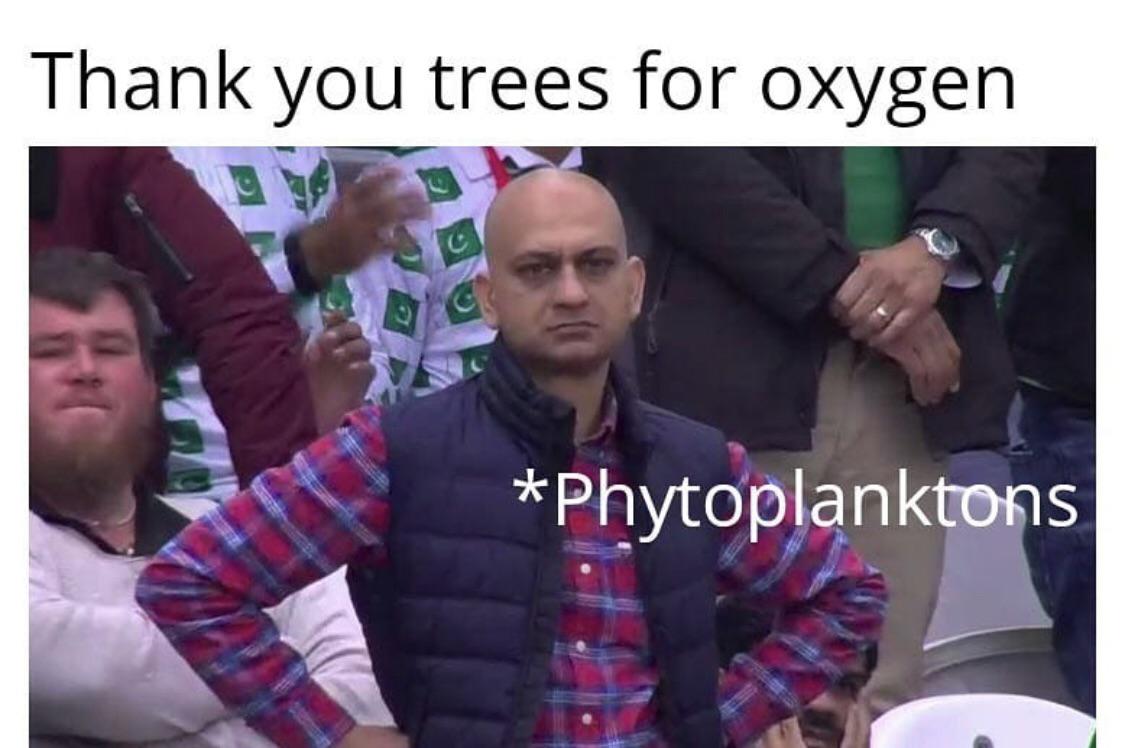
The unsung heroes of our atmosphere aren't even trees! While everyone's thanking trees for oxygen, phytoplankton is sitting there like the disappointed guy in the meme, knowing they produce 50-80% of Earth's oxygen. These microscopic marine organisms are basically running the planet's respiratory system from the oceans while trees get all the credit. Next time you take a breath, remember that tiny single-celled algae floating in the ocean deserve most of your gratitude. Trees are just hogging the spotlight with their fancy leaves and Instagram-worthy presence.

The Marine Ecology Bucket: Science's Most Sophisticated Tool

The Marine Ecology Bucket: Science's Most Sophisticated Tool
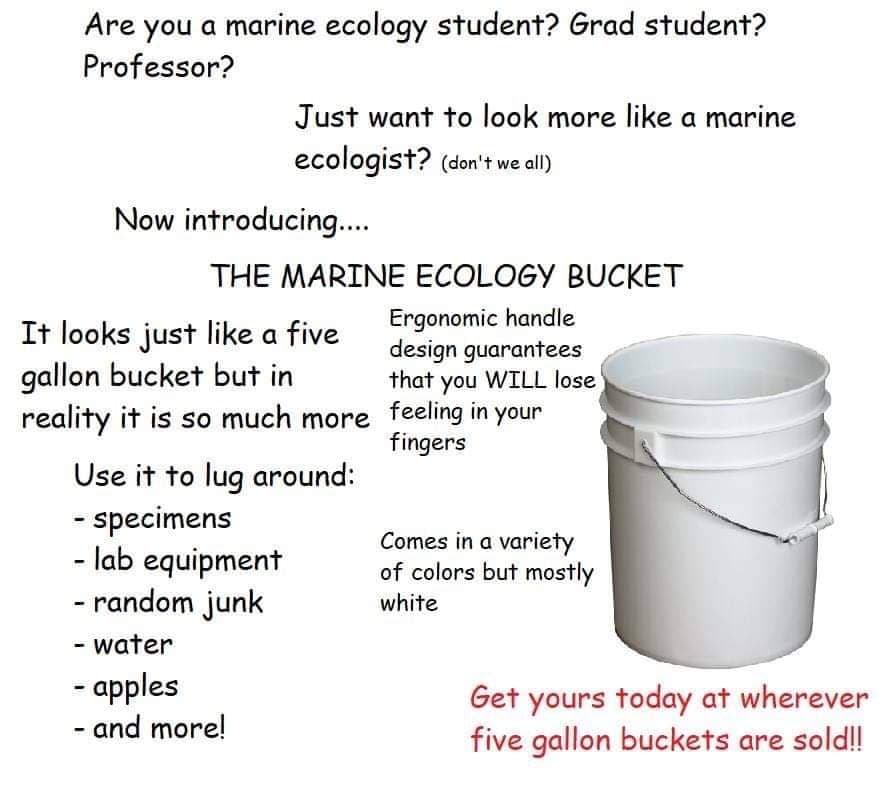
Field biologists' most sophisticated equipment: the almighty white bucket. Nothing says "I have a PhD in marine ecology" like lugging around a Home Depot special filled with specimens, equipment, and... apples? (Field snacks are essential science tools.) The true mark of a seasoned scientist isn't publications—it's calloused hands from that metal handle that was clearly designed by someone who hates fingers. We spend thousands on education just to end up with the same container that painters use, except ours smells like seaweed and regret. Every marine ecologist knows: fancy equipment breaks, but the bucket is eternal. It's simultaneously the most mundane and most essential tool in coastal research. Just don't forget to pair it with those green wellies for maximum scientific credibility!

Scientists Finally Caught SpongeBob Lacking In 4K

Scientists Finally Caught SpongeBob Lacking In 4K
Holy Neptune's trident! Marine biologists accidentally stumbled upon the most embarrassing moment in cartoon-to-reality crossover history! That yellow sponge and pink starfish? Just regular sea creatures minding their business in the deep blue. Meanwhile, their cartoon counterparts are absolutely LOSING IT at the sight of their less-than-glamorous real-life doppelgängers! The animation vs. reality gap is hitting SpongeBob and Patrick harder than a Krabby Patty food coma. Turns out living under the sea isn't all singing and spatula-flipping—sometimes you're just a porous yellow blob with no pants and questionable facial features! 🧽⭐️