

Molecular biology Memes

Posts tagged with Molecular biology
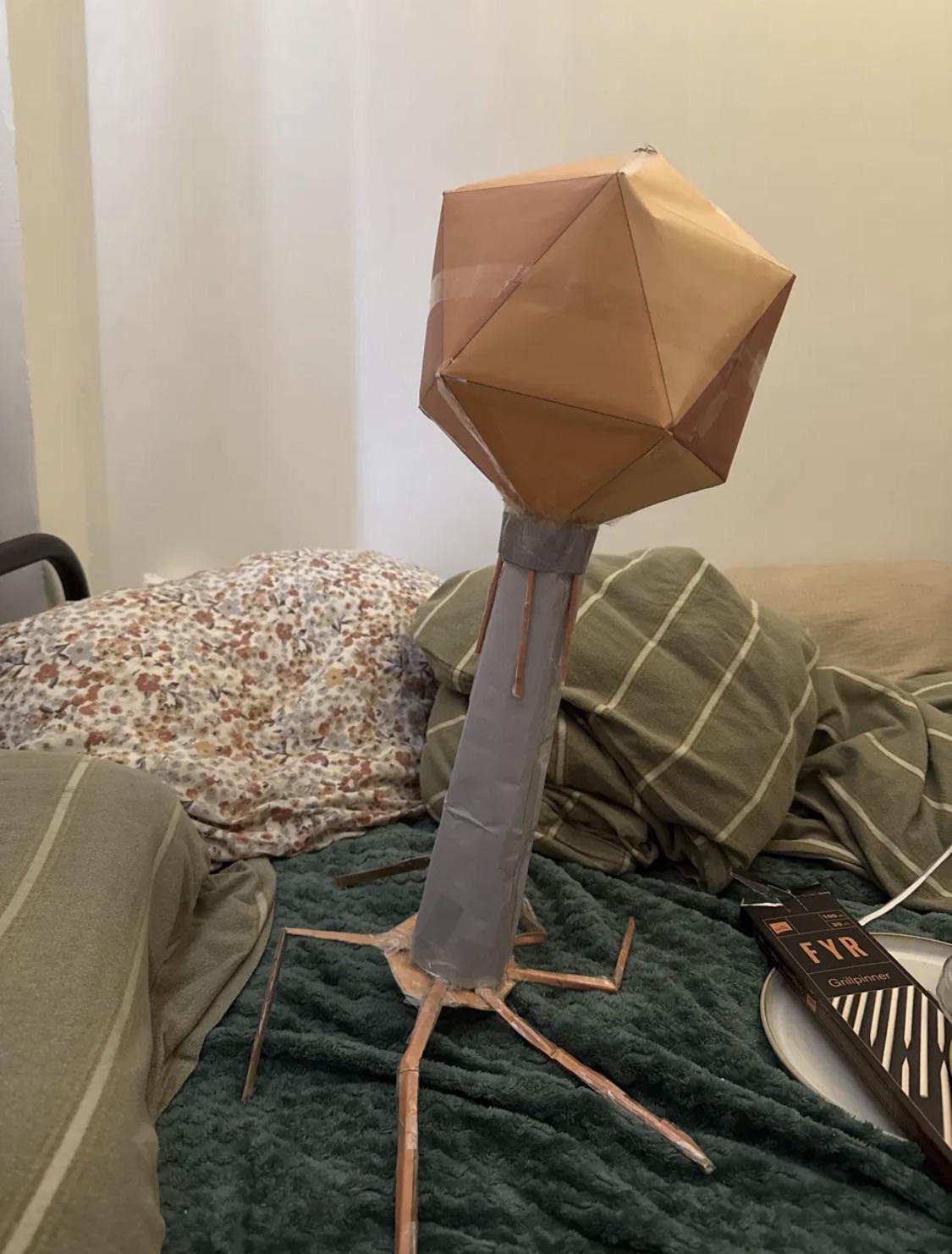
Boyfrien 😍

Boyfrien 😍
When your significant other is a molecular biologist or virologist, you get a handcrafted bacteriophage model chilling on your bed. Nothing says romance quite like a virus that exclusively infects bacteria, complete with that iconic icosahedral head and those spindly tail fibers ready to latch onto some unsuspecting E. coli . The attention to detail here is genuinely impressive—the capsid geometry looks spot-on, and those legs are giving major T4 phage vibes. While most people bring flowers or chocolate, science nerds bring you a perfectly crafted representation of nature's bacterial assassin. Honestly? That's way cooler. The intentional misspelling "Boyfrien" just adds to the chaotic wholesome energy of dating someone who spends their free time building viral structures instead of, you know, literally anything else.

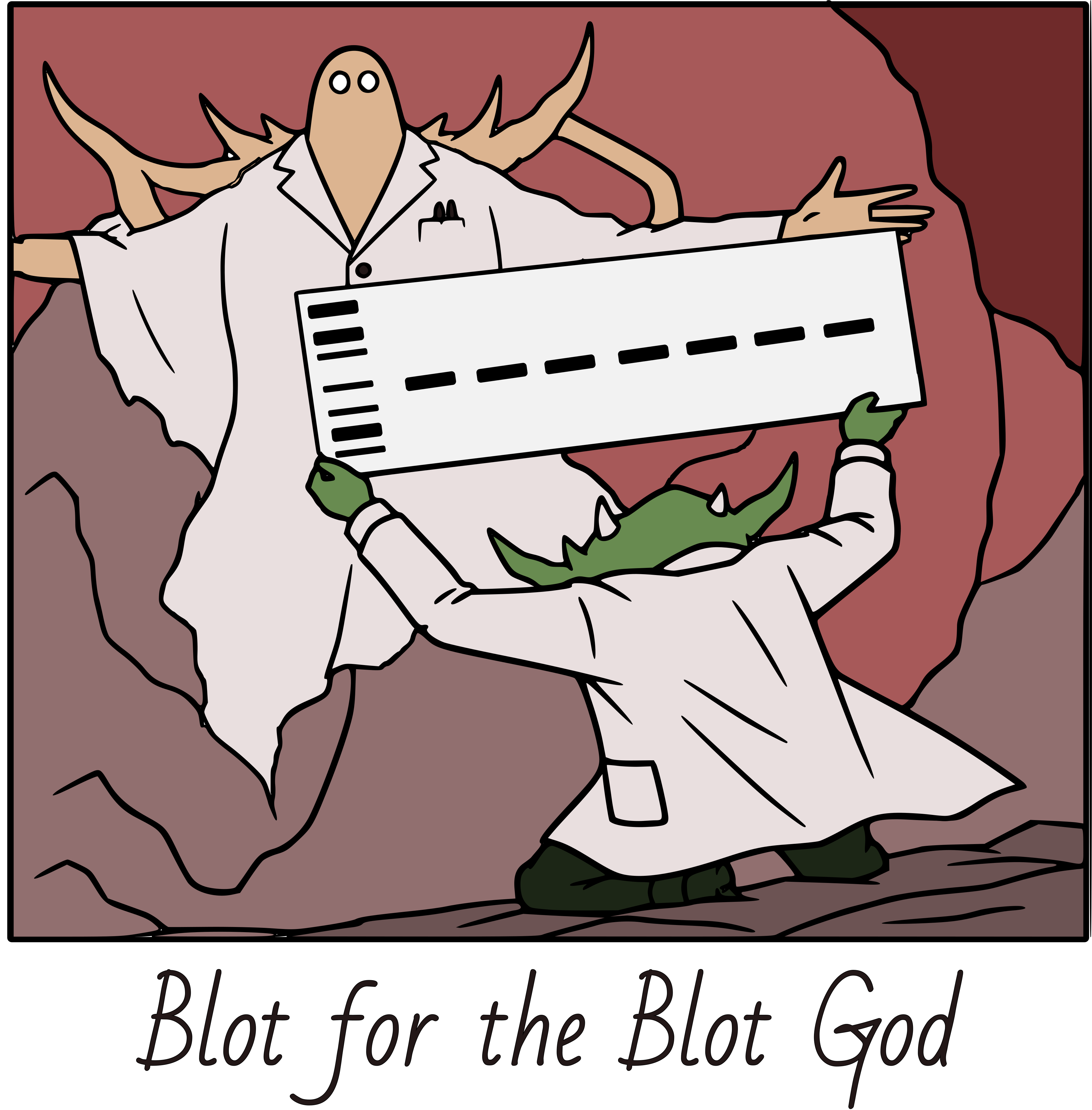
When You Finally Have Some Good Data To Show Your Supervisor

When You Finally Have Some Good Data To Show Your Supervisor
After months of failed experiments, contaminated samples, and error bars the size of Texas, you FINALLY get those beautiful, statistically significant bands on your Western blot. You practically sprint to your supervisor's office like you're presenting an ancient artifact to a deity. "Blot for the Blot God" captures that intense ritualistic energy of molecular biology perfectly—because let's be real, getting clean, reproducible blots feels like divine intervention after your 47th attempt. The multi-armed scientist here is channeling some serious Warhammer 40K "Blood for the Blood God" vibes, except instead of skulls, we're offering up perfectly transferred proteins on PVDF membranes. Your supervisor becomes this all-powerful being who judges whether your bands are worthy of publication or if you need to go back to the bench for another three weeks of optimization. The desperation is real, the relief is real, and the need for validation from your PI is VERY real.

Microcastration

Microcastration
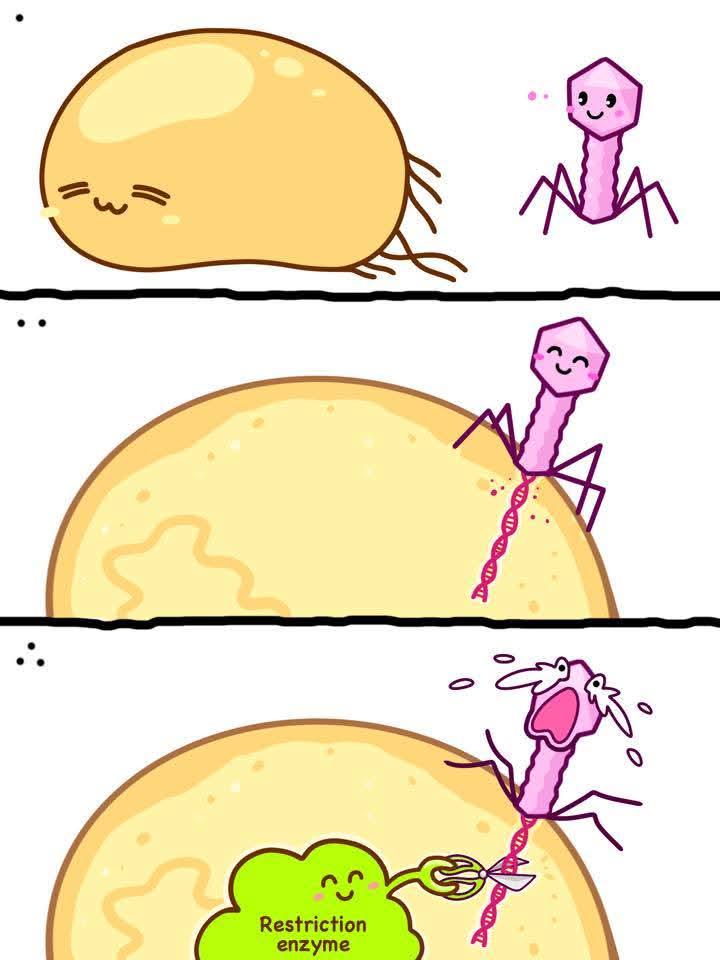
So a bacteriophage is just vibing near a bacterial cell, minding its own business. Then it latches on, injects its DNA like some kind of microscopic syringe, and just when you think things couldn't get worse for our bacterial buddy... SNIP! A restriction enzyme shows up and cuts the phage DNA into pieces. It's literally molecular surgery without anesthesia. Bacteria have these restriction enzymes as their immune system—they're like tiny molecular scissors that recognize foreign DNA and chop it up before it can hijack the cell. The phage came in all confident, ready to reproduce, and got absolutely wrecked by the bacterial defense squad. Nature's way of saying "not today, virus boy." The title "Microcastration" is brutally accurate because the phage literally can't reproduce anymore after getting its genetic material chopped up. RIP to another overconfident virus.

Top Fail Of The Day

Top Fail Of The Day
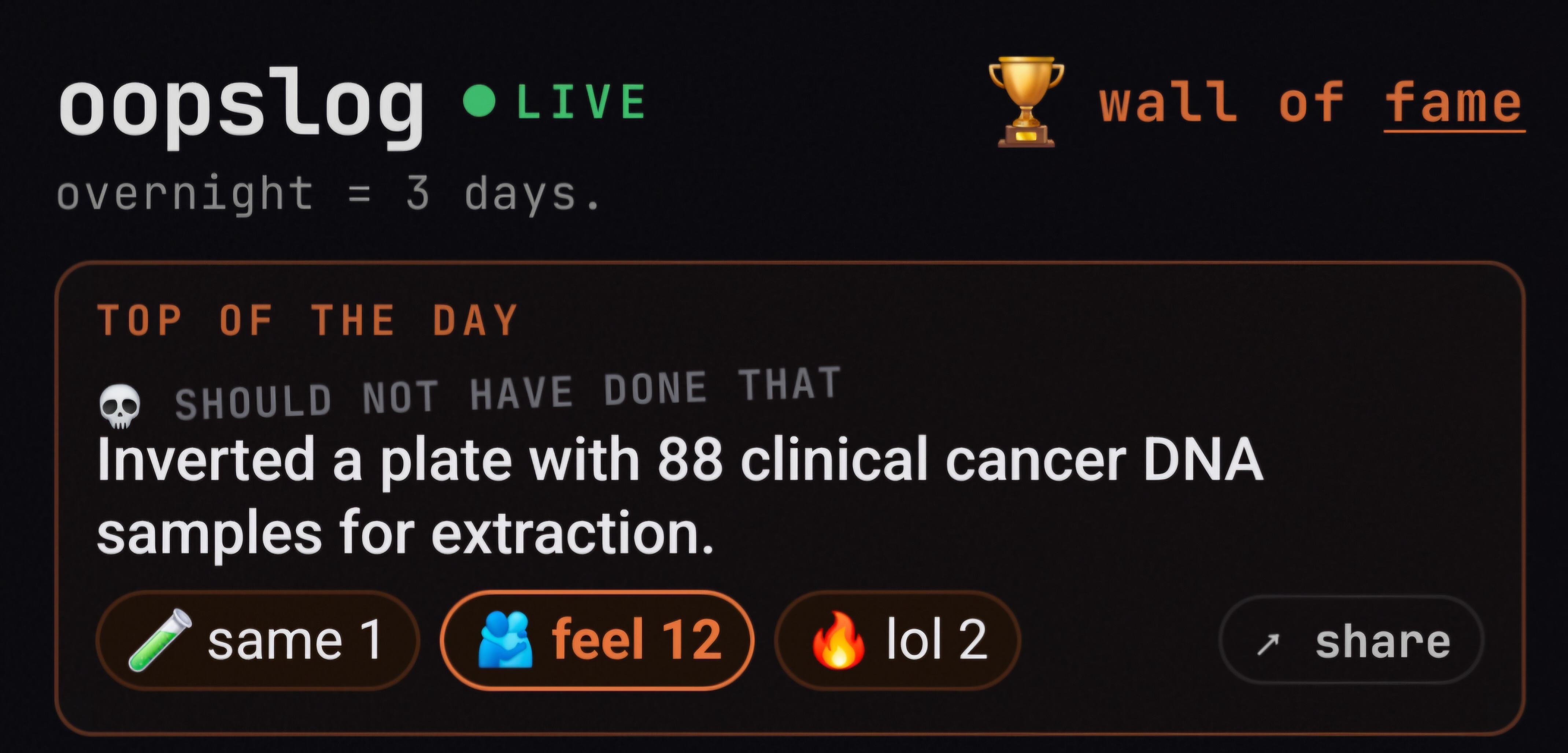
Someone just earned their spot in the Lab Disasters Hall of Fame by inverting a plate with 88 precious clinical cancer DNA samples. You know, just casually flipping over potentially months of patient sample collection and prep work like it's a pancake. The skull emoji really captures the internal screaming happening here. What makes this extra painful is that these aren't just any samples—they're clinical cancer DNA samples, meaning they came from actual patients and are irreplaceable. You can't just go back and ask someone for another tumor biopsy because you had butterfingers in the lab. The "overnight = 3 days" timestamp suggests someone came back after a long weekend to discover this beautiful catastrophe. The reactions say it all: 1 person relates to this pain, 12 people are having an emotional breakdown just reading about it, and 2 people are laughing (probably nervously because they've done something similar). This is why we have trust issues with gravity in the lab.

When You Accidentally Type AGAGAGA Instead Of HAHAHAH

When You Accidentally Type AGAGAGA Instead Of HAHAHAH
So you're texting and accidentally hit "AGAGAGA" instead of "HAHAHAH" and suddenly your DNA is having the time of its life. The joke here is that A (adenine) and G (guanine) are two of the four nucleotide bases in DNA, so typing "AGAGAGA" is basically writing out a genetic sequence. Your DNA double helix is literally laughing in its own language—deoxyribonucleic acid—while you're just trying to respond to a meme. It's like your keyboard autocorrected to molecular biology. The best part? This sequence could theoretically code for something, maybe a protein that makes you laugh at terrible science puns. Fun fact: if this were actual DNA, it would pair with a complementary strand of TCTCTCT (thymine-cytosine repeats). Your genes just roasted you.

Don't Reinvent The Wheel -Molecular Biology

Don't Reinvent The Wheel -Molecular Biology
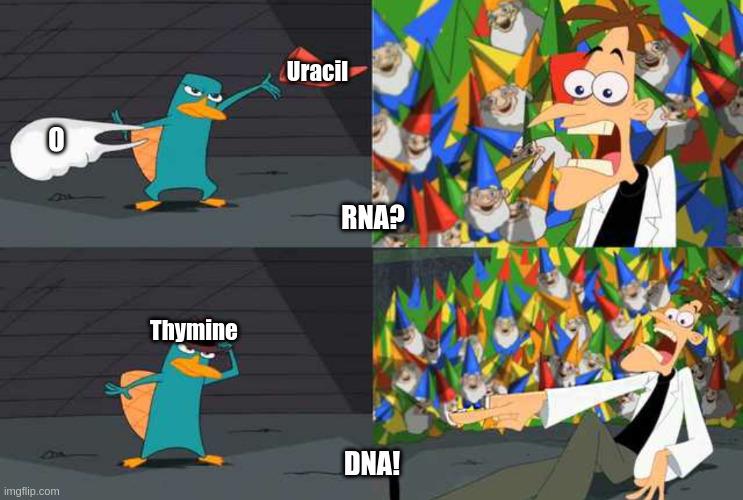
So uracil is just chilling in RNA like "hey, I'm special and unique!" Meanwhile, DNA is over here like "nah fam, we're going with thymine because we're FANCY." The joke? They're basically the same molecule—thymine is literally just uracil wearing a methyl group hat (a -CH₃ group). That's it. That's the only difference. Nature really looked at RNA's simple uracil, said "this works perfectly fine," then decided to add a tiny molecular accessory to make DNA's thymine. Why? Better stability and error detection, sure, but it's still the molecular equivalent of buying the premium version of something when the basic model does the job. Evolution really said "let's complicate things just enough to make biology students suffer." The chaotic Phineas and Ferb background perfectly captures the unnecessary complexity of having two nearly identical nucleotides doing essentially the same job in different contexts. Molecular biology: where we reinvent the wheel but make it slightly methylated.

*Screams In Amino Acids*

*Screams In Amino Acids*
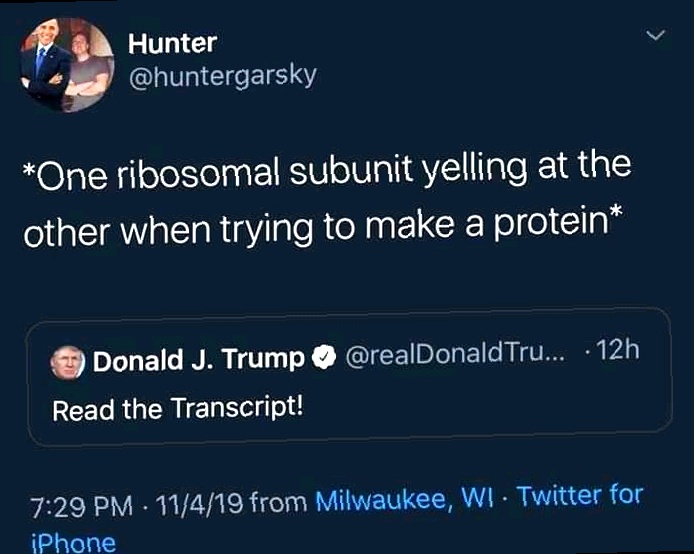
This is pure molecular biology gold. Ribosomes are made of two subunits (large and small) that have to work together to translate mRNA into proteins, stringing together amino acids like a very angry assembly line. But imagine being stuck with your coworker in the world's tiniest workspace, both of you desperately trying to read the same instruction manual (the mRNA transcript) while churning out proteins at breakneck speed. The Trump tweet "Read the Transcript!" becomes hilariously perfect here because that's literally what ribosomes do—they READ THE TRANSCRIPT (mRNA). Except instead of political drama, it's just two ribosomal subunits screaming at each other in amino acids while trying to decode genetic instructions. The cellular equivalent of "I'M TRYING, KAREN!"

Endogenous Circadian Oscillator When It's Morning

Endogenous Circadian Oscillator When It's Morning
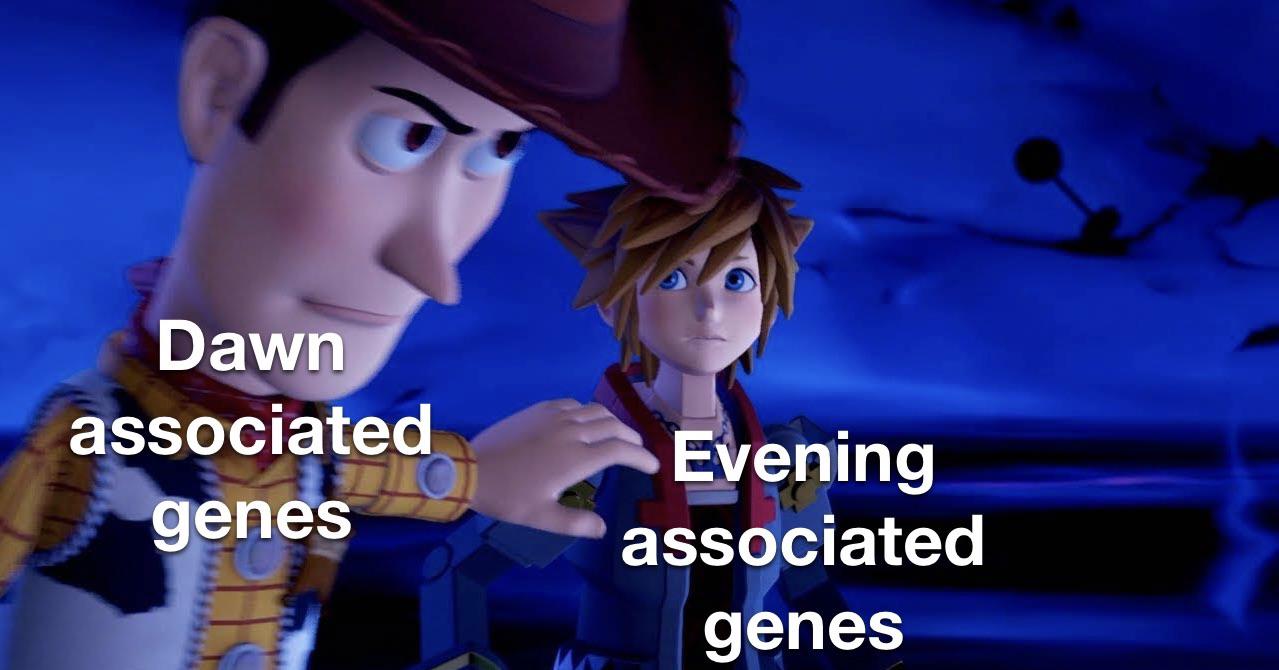
Your circadian rhythm is basically your body's internal clock running a 24-hour reality show where different genes take turns being the main character. Dawn-associated genes are the morning people who show up way too enthusiastic at 6 AM, ready to start the day with cortisol spikes and alertness. Evening-associated genes? They're the night owls who'd rather be literally anywhere else during morning hours. The circadian oscillator—controlled by your suprachiasmatic nucleus in the hypothalamus—coordinates this genetic battle royale. When morning hits, dawn genes like PER and CRY proteins start their shift, aggressively waking you up whether you like it or not. Meanwhile, evening genes are getting absolutely manhandled, forced into submission despite their protests. It's like a molecular changing of the guard, except one guard is dragging the other off stage. This is why you can't just "decide" to be a morning person—your gene expression patterns have already picked sides in this daily turf war.

Truly Groundbreaking Stuff

Truly Groundbreaking Stuff
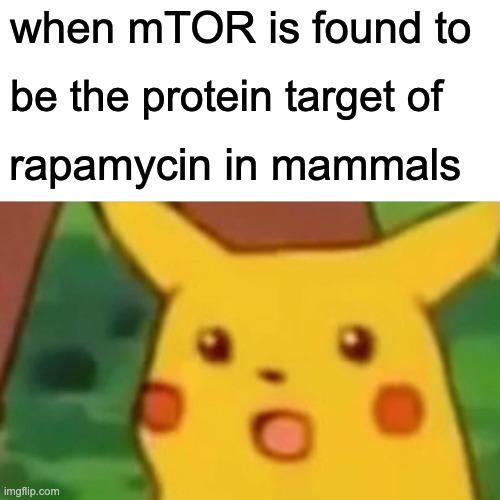
So rapamycin was literally named after where it was discovered (Easter Island, or Rapa Nui), and scientists spent decades figuring out what it actually does in cells. Then they discovered it binds to this protein called mTOR—which stands for "mechanistic Target Of Rapamycin." Yes, you read that right. They named the protein after the drug that targets it. It's like discovering a key and then naming the lock "Thing That This Key Opens." The circular logic is *chef's kiss*. The shocked Pikachu face captures the scientific community's collective reaction when they realized they'd essentially created a self-referential naming loop. mTOR regulates cell growth, metabolism, and aging, making it a huge deal in biology and medicine. But the naming? That's just peak scientific creativity—or laziness, depending on how generous you're feeling.

Prions Really Are Terrifying

Prions Really Are Terrifying
Instead of worrying about relationship drama, this person is lying awake contemplating the existential horror of misfolded proteins. Prions are legitimately nightmare fuel—they're not alive, can't be killed by normal sterilization, and they literally just touch other proteins and go "hey, fold wrong like me" and cause a chain reaction of protein misfolding. No DNA, no RNA, just pure chaotic evil in protein form. They cause diseases like Creutzfeldt-Jakob disease and mad cow disease, turning your brain into literal Swiss cheese. You can autoclave them, hit them with UV radiation, douse them in formaldehyde, and these absolute units just shrug it off. The fact that a simple shape change in a protein can be infectious and 100% fatal is the kind of thing that keeps molecular biologists up at night. So yeah, totally normal bedtime thoughts.

Anyone Here Ever Used DNA Subway?

Anyone Here Ever Used DNA Subway?
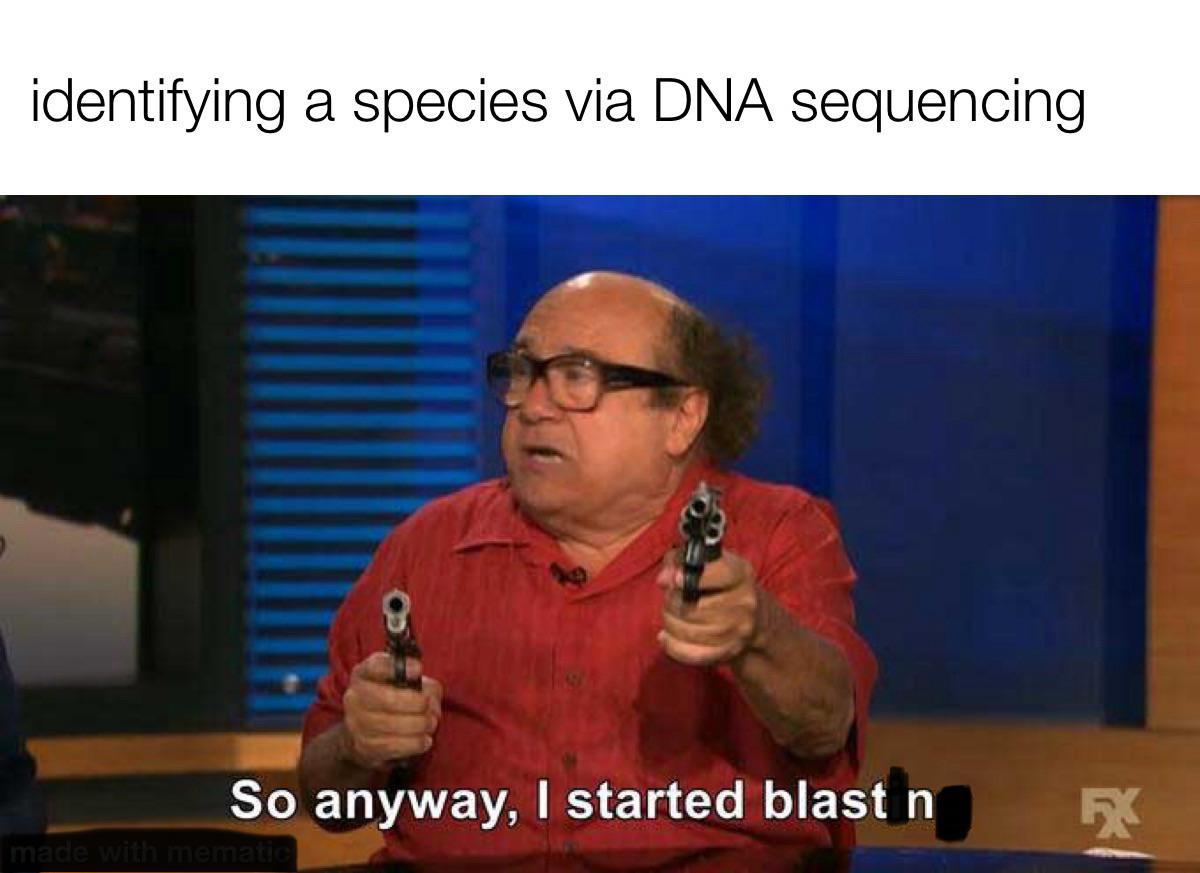
DNA Subway is this educational bioinformatics platform that's supposed to guide students through DNA barcoding and species identification with a nice, user-friendly interface. The joke here is that instead of using the intuitive "subway line" workflow the platform offers, someone just said "nah" and went straight to BLAST (Basic Local Alignment Search Tool) - the OG sequence comparison tool that every molecular biologist knows and loves. It's like being given a GPS with turn-by-turn directions but deciding to navigate by the stars instead. Sure, DNA Subway has pretty graphics and step-by-step modules, but when you're trying to identify what species that mystery DNA belongs to, why mess around when you can just throw your sequence into NCBI BLAST and get results in seconds? The "So anyway, I started blasting" format captures that perfect moment when you skip all the fancy educational scaffolding and go straight to the nuclear option. Sometimes the most direct path is just... blasting your sequence against GenBank's entire database and calling it a day.

Doesn't Surprise Me One Bit

Doesn't Surprise Me One Bit
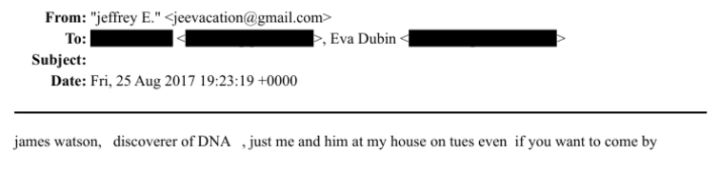
The casual audacity of this email is pure scientific gold! Someone's casually name-dropping James Watson (co-discoverer of DNA's double helix structure) like he's just a regular buddy coming over for Tuesday hangouts. It's the scientific equivalent of saying "Oh yeah, Einstein? We grab coffee every Thursday. No big deal." The nonchalant way they've reduced one of history's most significant scientific discoveries to a casual house visit is exactly how scientists wish they could humblebrag about their accomplishments.