
Electron transfer Memes

Posts tagged with Electron transfer

Sodium And Fluorine: A Chemical Love Story

Sodium And Fluorine: A Chemical Love Story
Sodium (Na) is just minding its business on its first day in the periodic neighborhood when BAM! Fluorine (F) comes zooming in like an electron-hungry maniac! Poor sodium doesn't stand a chance - it's about to lose its outer electron faster than you can say "ionic bond"! That's not just chemistry, that's SPEED DATING at the atomic level! Sodium's wearing a crown because it's a metal that literally EXPLODES in water, yet here comes fluorine - the element so reactive it eats through glass containers for breakfast! These two don't just bond, they form NaF with enough energy release to make other elements jealous. It's basically the chemical equivalent of love at first sight... if love involved violently sharing electrons!

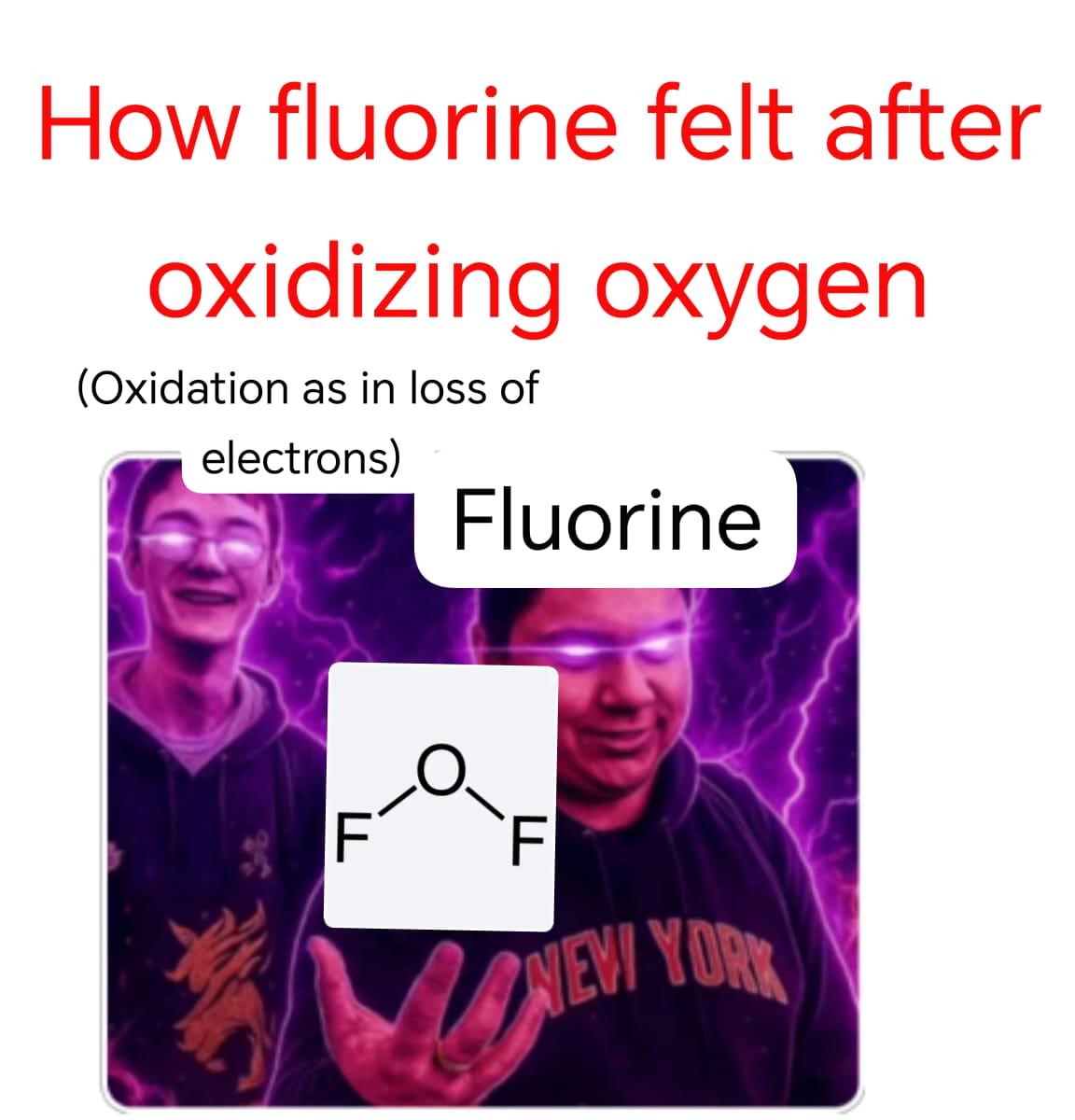
Oxygen Difluoride: The Ultimate Chemical Uno Reverse Card

Oxygen Difluoride: The Ultimate Chemical Uno Reverse Card
Chemistry's ultimate power move! Fluorine, the most electronegative element, literally stole electrons from oxygen to create OF₂. That's like having your lunch money taken by the kid you usually bully. Oxygen normally oxidizes everything else, but fluorine said "Not today!" and reversed the natural order. The purple lightning effect perfectly captures fluorine's chaotic energy as it flexes on the periodic table's usual electron thief. Next-level electron heist!

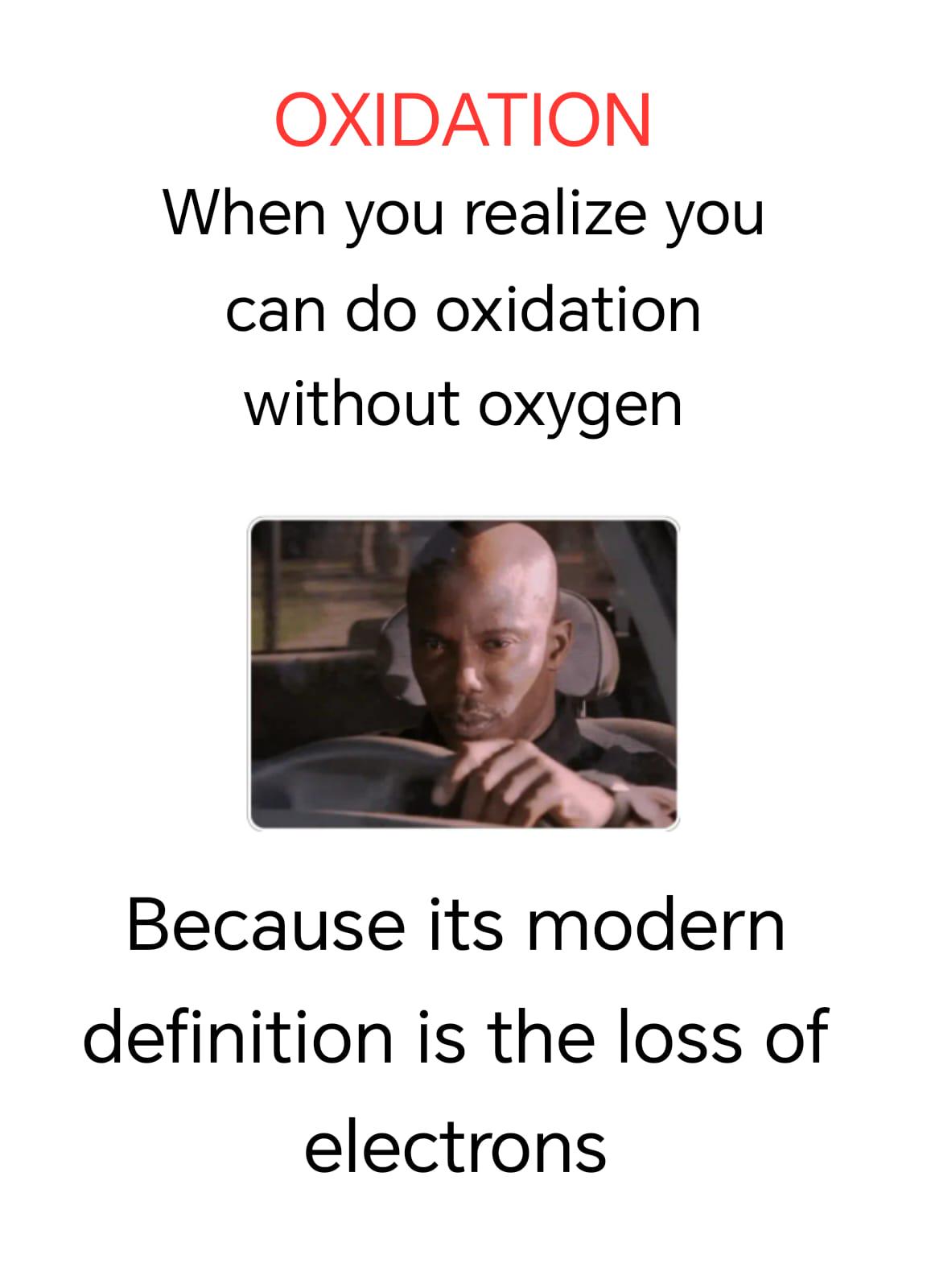
Oxidation: The Electron Heist

Oxidation: The Electron Heist
That mind-blowing moment when chemistry shatters your expectations! For years we associate oxidation with oxygen (it's literally in the name!), then BAM—modern chemistry hits you with "actually, it's just about losing electrons." The look of profound realization is perfect. Every chemistry student has experienced this electron-losing epiphany that makes you question everything you thought you knew. Next thing you know, you're seeing redox reactions everywhere and can't unsee them!

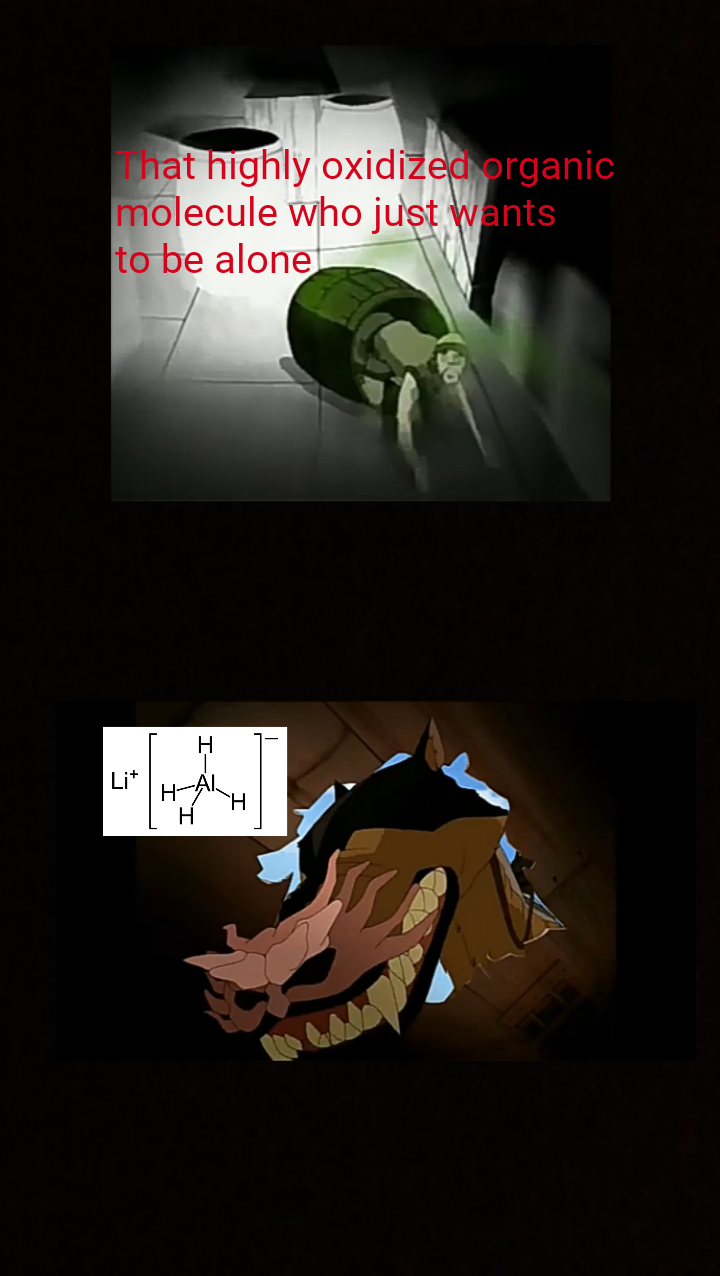
Doomed To Reduction

Doomed To Reduction
Poor oxidized molecule just trying to have a peaceful evening when lithium aluminum hydride crashes in like the Kool-Aid man. Nothing says "your electrons are mine now" quite like LAH hunting you down in the darkness. That's not social distancing—that's electron redistribution without consent. Every organic chemist knows this feeling when they need a reduction and unleash this aggressive reagent on their unsuspecting compounds.

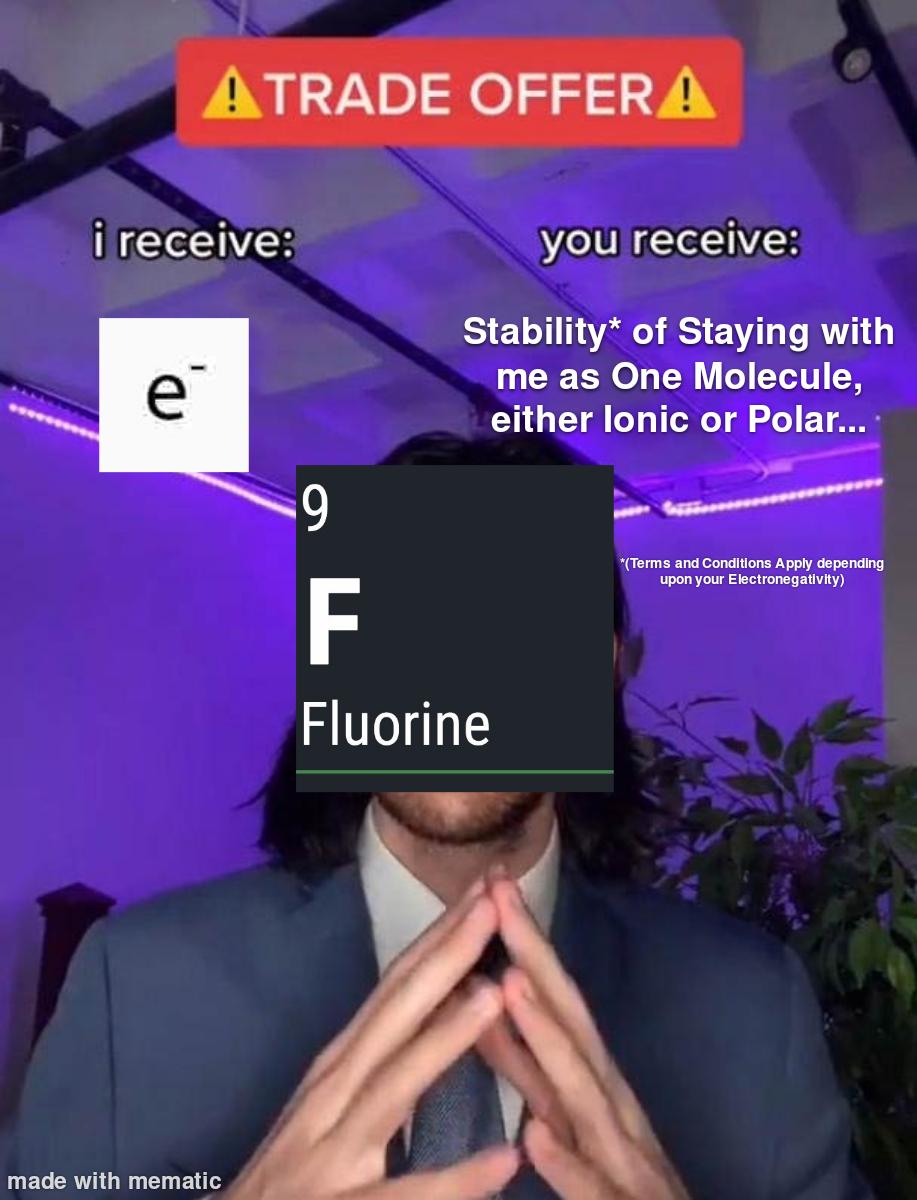
Electrons Trade Deals With Electronegative Atoms Are Sometimes So One-Sided

Electrons Trade Deals With Electronegative Atoms Are Sometimes So One-Sided
Fluorine, the electron-stealing kingpin of the periodic table, making offers electrons can't refuse. With the highest electronegativity in town (4.0), it's basically running a protection racket: "Give me your electron, I'll give you... the privilege of being in my orbit." The fine print always gets you. Somewhere, a noble gas is watching this transaction and quietly judging while maintaining perfect electron configuration.

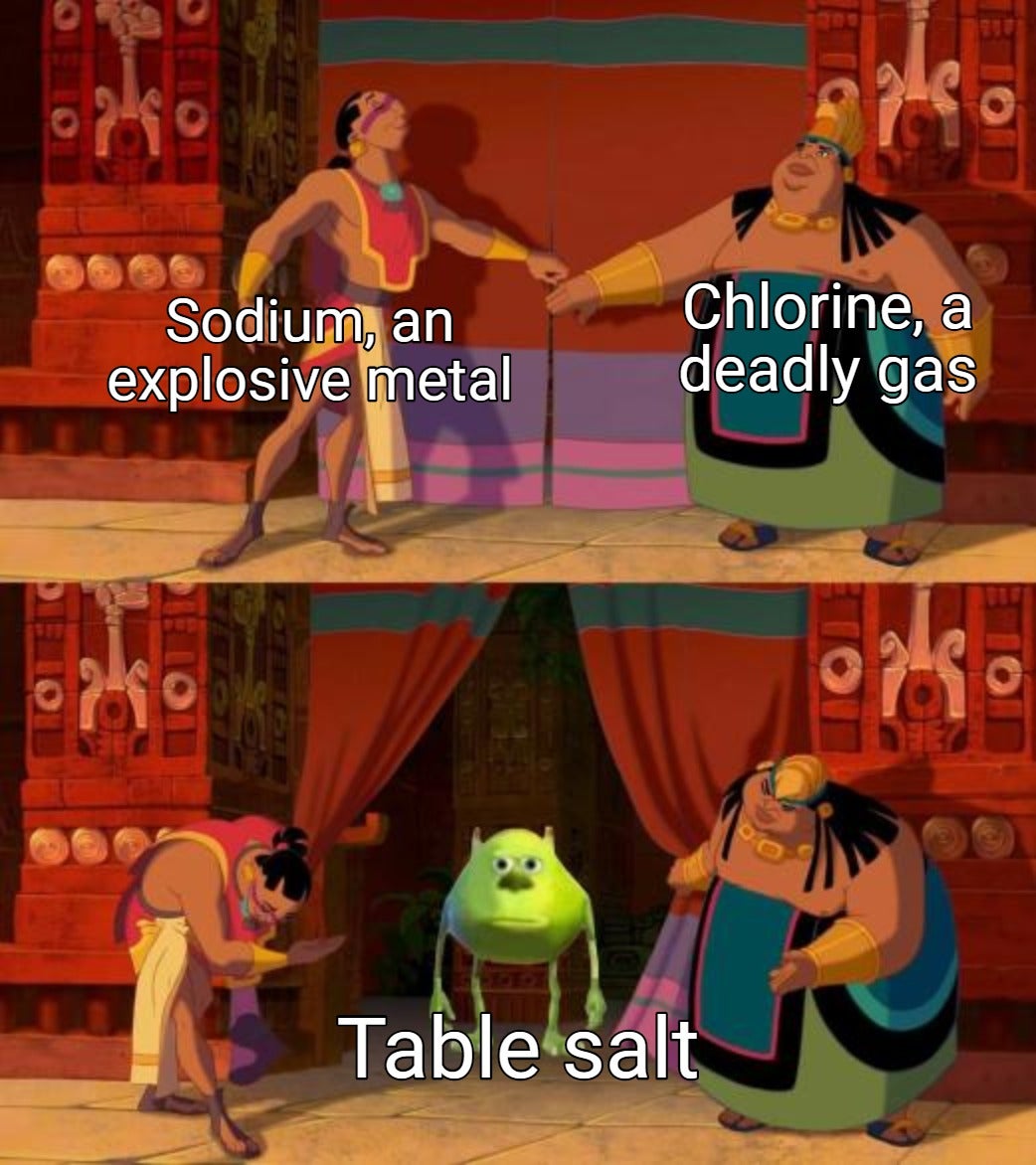
Ionic Bonding Intensifies

Ionic Bonding Intensifies
The ultimate chemical love story! Separately, sodium is a reactive metal that explodes in water, and chlorine is a toxic gas that can kill you in minutes. But introduce these two dangerous elements to each other, and they undergo an electron transfer so intense it forms sodium chloride—the harmless table salt you sprinkle on your fries! It's like watching two supervillains fall in love and open a bakery together. Chemistry doesn't just change properties; it completely transforms identities through the magic of ionic bonding. The electron-hungry chlorine atom steals an electron from the sodium atom, and suddenly they're inseparable. Talk about a transformative relationship!

Alkali Metals: I'm Something Of A Philanthropist Myself

Alkali Metals: I'm Something Of A Philanthropist Myself
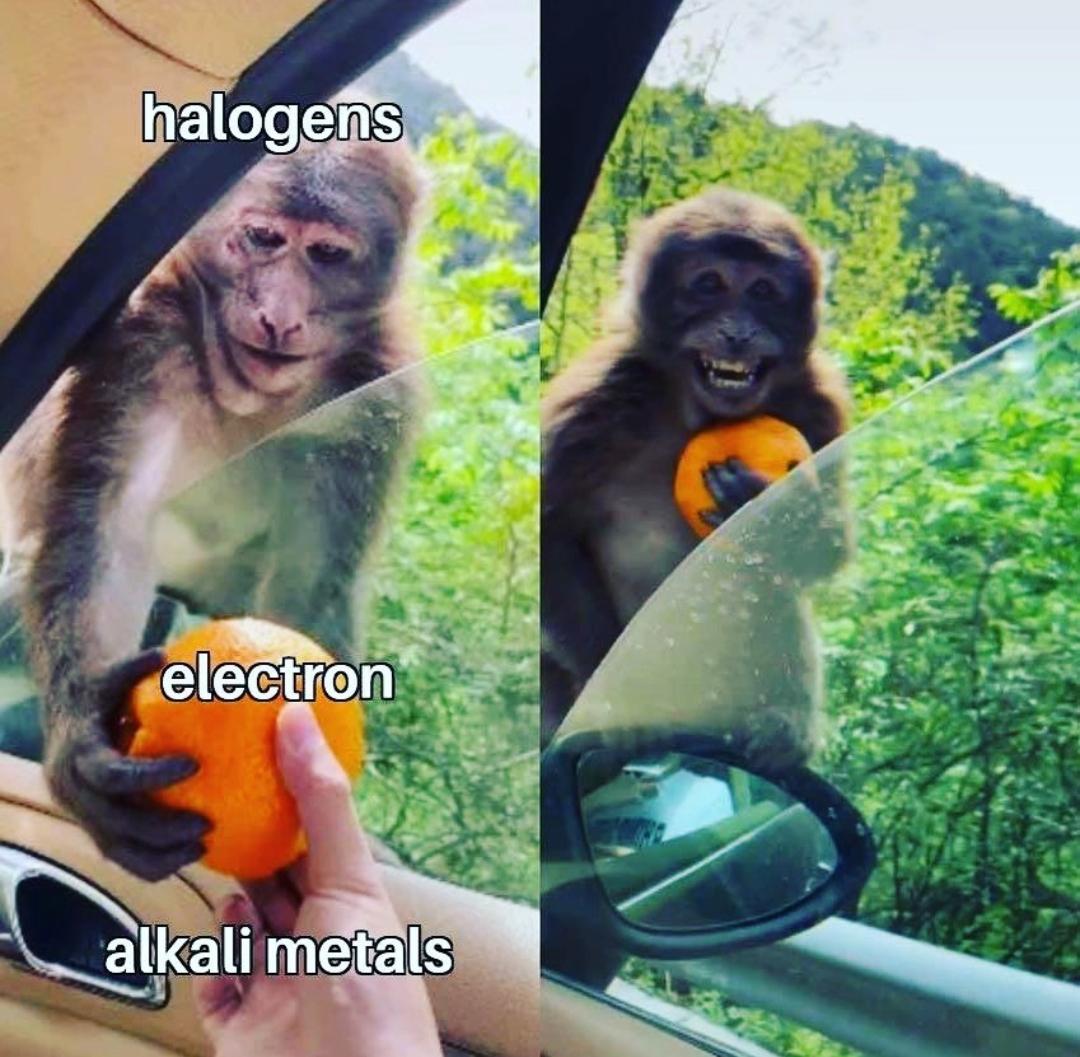
The electron-donating generosity of alkali metals is peak chemistry comedy! These elements (like sodium and potassium) are basically the chemical equivalent of that friend who can't wait to give away their stuff. They're sitting at the far left of the periodic table with a single valence electron they're practically begging to donate. Meanwhile, halogens (like chlorine and fluorine) are the greedy electron collectors of the element world, just one electron short of a stable configuration and absolutely delighted when an alkali metal shows up with a free electron. The resulting ionic bond is basically chemical matchmaking at its finest. That happy monkey face after snatching the electron? Pure halogen energy.

Best Buds: From Periodic Enemies To Ionic Besties

Best Buds: From Periodic Enemies To Ionic Besties
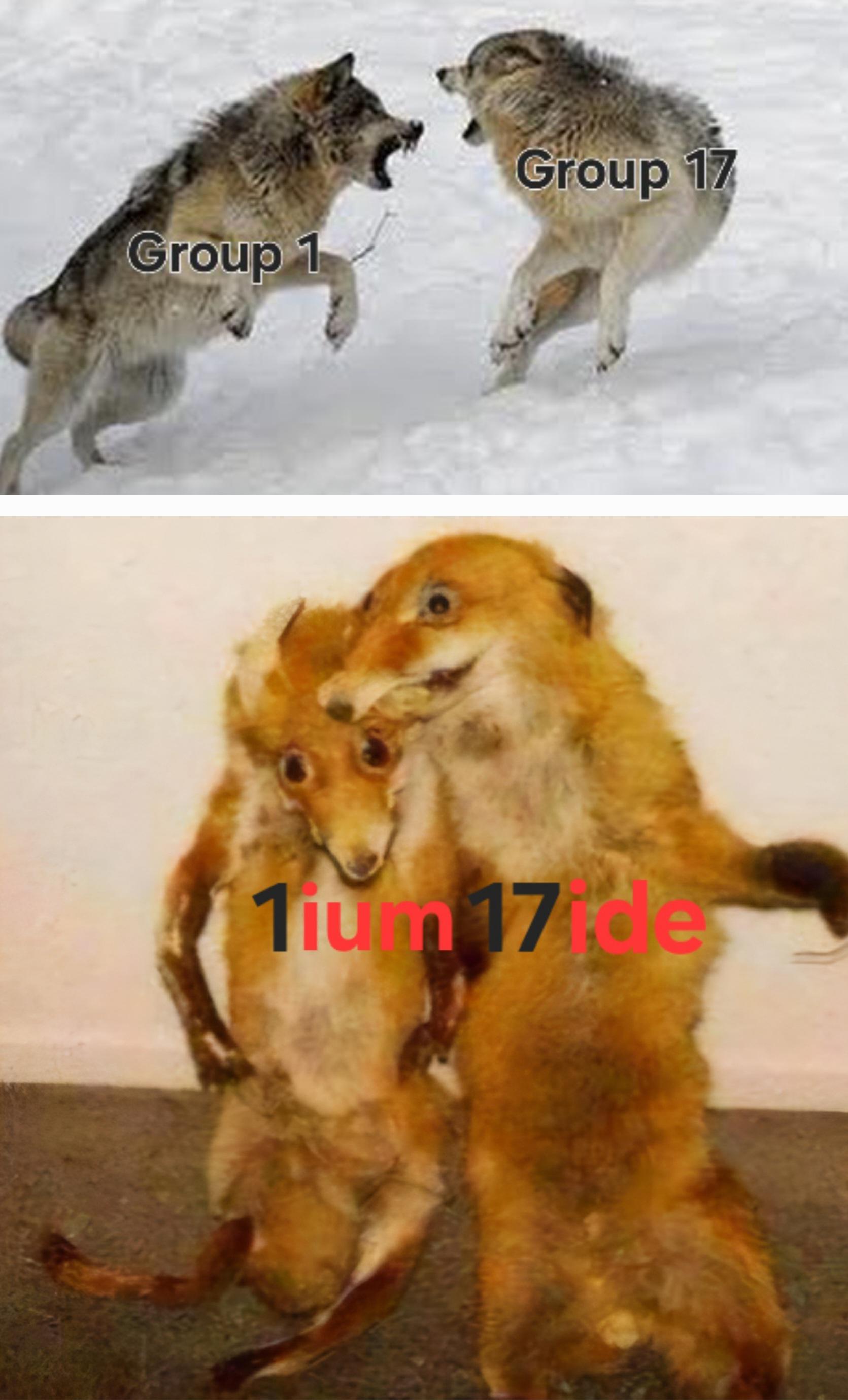
Ever notice how the periodic table is basically just a soap opera of elements? Here we have Chlorine (Group 17) and Sodium (Group 1) fighting like mortal enemies in the wild, but put them together and suddenly they're inseparable ionic besties forming NaCl! The chemistry equivalent of "I hate you" to "I literally can't exist without you." From growling wolves to cuddling foxes - that's what happens when you share electrons instead of territories. The periodic table doesn't lie: opposites really do attract, especially when there's an electron transfer involved!

Salt Time: When Atoms Slide Into Each Other's DMs

Salt Time: When Atoms Slide Into Each Other's DMs
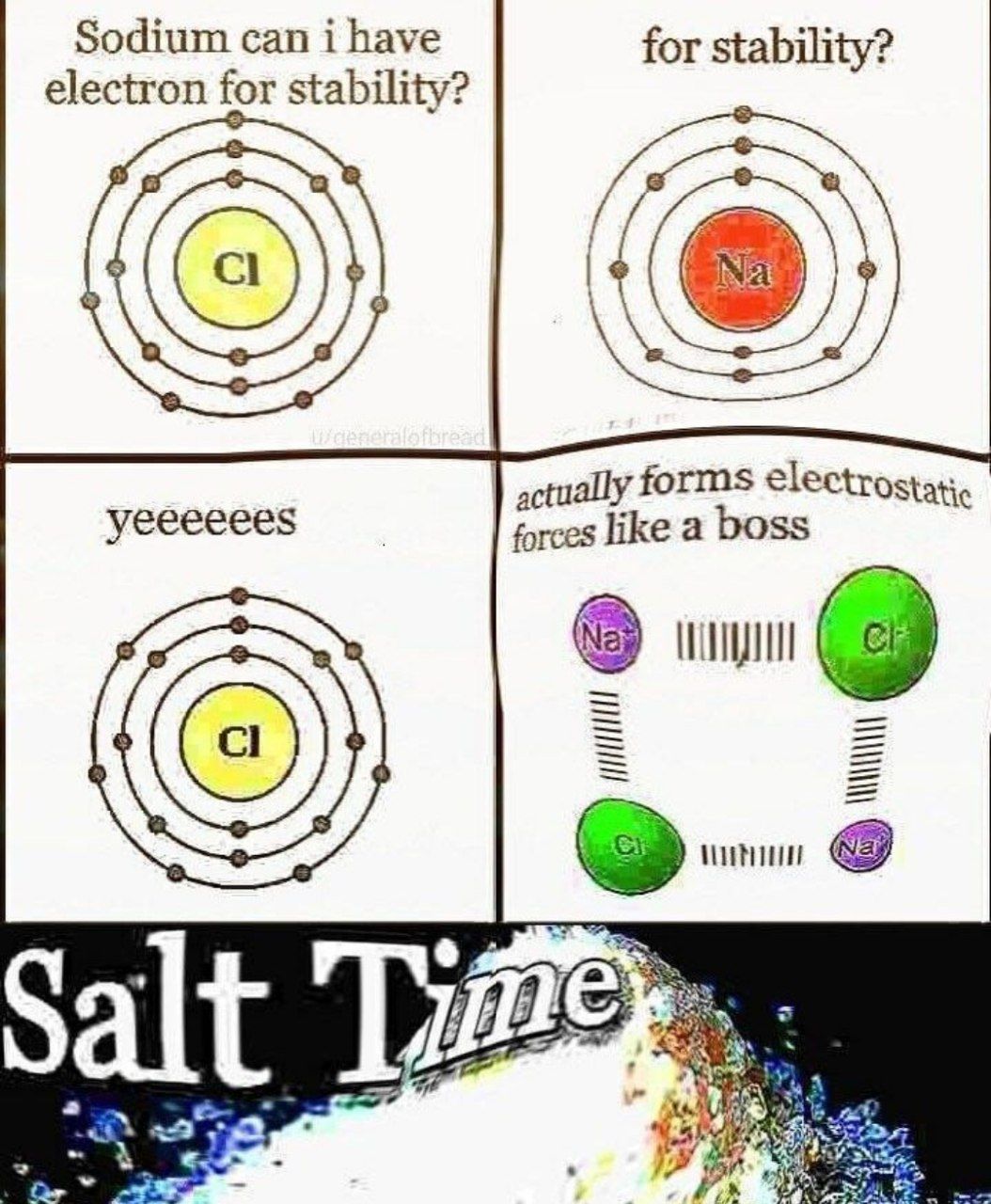
Chemistry pickup lines got nothing on this electron exchange! Sodium (Na) is desperately looking for stability by giving away its outer electron, while Chlorine (Cl) is all too happy to accept it. Instead of just a boring electron transfer, they form this epic electrostatic relationship and become table salt (NaCl)! It's basically chemistry's version of "sliding into DMs" but with actual attraction that works. The atoms are literally forming bonds like they're on a dating app - swiping right on stability and creating the spice of life! Next time you shake salt on your food, remember you're witnessing the aftermath of atomic flirting.

The Electron Heist

The Electron Heist
That moment when sodium gets absolutely mugged by chlorine in the periodic neighborhood. Sodium's just minding its business with its lone valence electron hanging out in the 3s orbital, and chlorine swoops in like an electron-hungry predator. Classic ionic bonding robbery caught on camera. The resulting NaCl doesn't even press charges because it's too busy being stable and seasoning your fries.

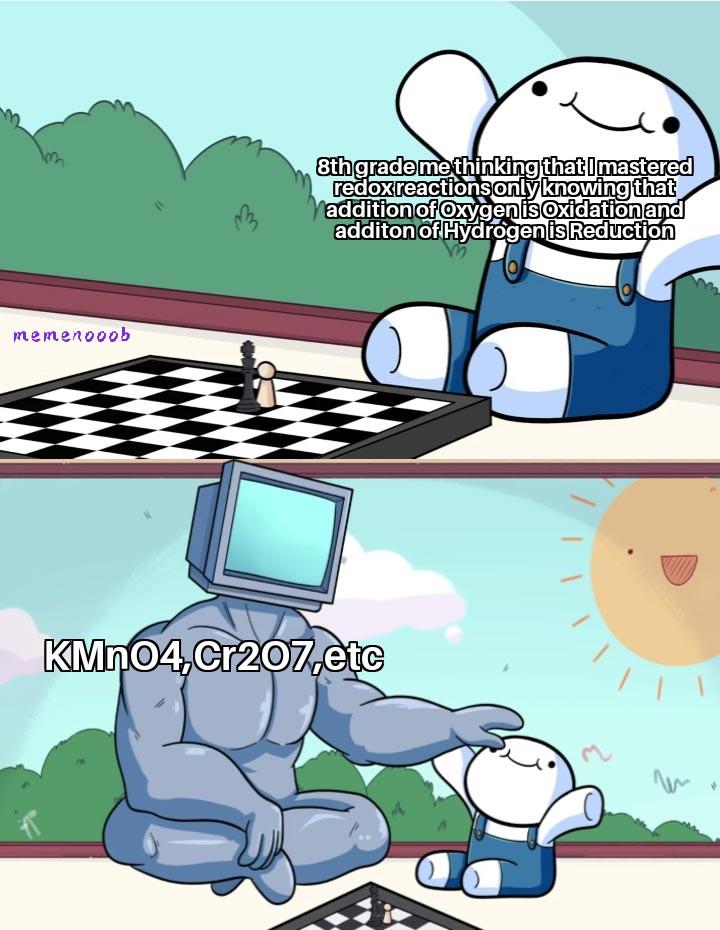
Happy Permanganate Noises Of Destruction

Happy Permanganate Noises Of Destruction
The innocent joy of middle school chemistry vs the muscular reality of actual oxidizing agents! That cute little 8th grader thinking they've conquered redox reactions with the simplistic "OIL RIG" mnemonic (Oxidation Is Loss, Reduction Is Gain of electrons), while powerful oxidizers like potassium permanganate (KMnO₄) and dichromate (Cr₂O₇²⁻) are flexing in the background ready to obliterate organic compounds into CO₂ and H₂O. It's like bringing a plastic spoon to a nuclear war. Those purple permanganate solutions don't just make "happy noises" - they make entire carbon chains disappear faster than your confidence during an organic chemistry final!